

1.5 or 2 mm table protector?
Both thicknesses are removable clear PVC protectors cut to your measurements. The 1.5 mm option is lighter and more flexible; 2 mm feels firmer and can sit more steadily on larger, frequently used tables.
- Compare weight, flexibility and handling
- Match the thickness to table size and use
- Understand what an extra 0.5 mm does not change
How much does a mat for your table cost?
Just enter the dimensions - the price will appear immediately. You can choose the details in the calculator.
Thicker and firmer — for intensively used tabletops.
- We cut to the nearest centimeter
- 5 free Ø10 cm coasters
- Free delivery from €100.00
Choose 2 mm when
- the tabletop is large or used intensively
- you prefer a heavier and firmer feel
- you do not need the lightest option for frequent lifting
Choose 1.5 mm when
- the table or desk is small to medium
- easy lifting and rolling matter more
- you want a lighter, less prominent protective layer
1.5 and 2 mm compared
The extra thickness changes feel and handling, but not the basic care rules.
| Feature | 1.5 mm | 2 mm |
|---|---|---|
| Feel | Lighter and more flexible | Firmer and heavier |
| Typical use | Small and medium tables or desks | Large or heavily used tables |
| Lifting | Easier to lift and roll | More substantial to handle |
| After delivery | Usually settles readily | May need more time because it is firmer |
| Heat and cutting | Needs trivets and cutting boards | Needs trivets and cutting boards |
What the extra 0.5 mm changes
A 2 mm protector contains more material and is therefore heavier and less flexible. That can feel steadier on a broad surface, while 1.5 mm is easier to lift for cleaning.
Thickness alone does not correct inaccurate measurements. Measure the finished tabletop rather than relying on nominal furniture dimensions.
What thickness does not solve
Neither version is a heatproof worktop, cutting board or rigid panel. Both can be marked by sharp objects, grit and abrasive cleaners.
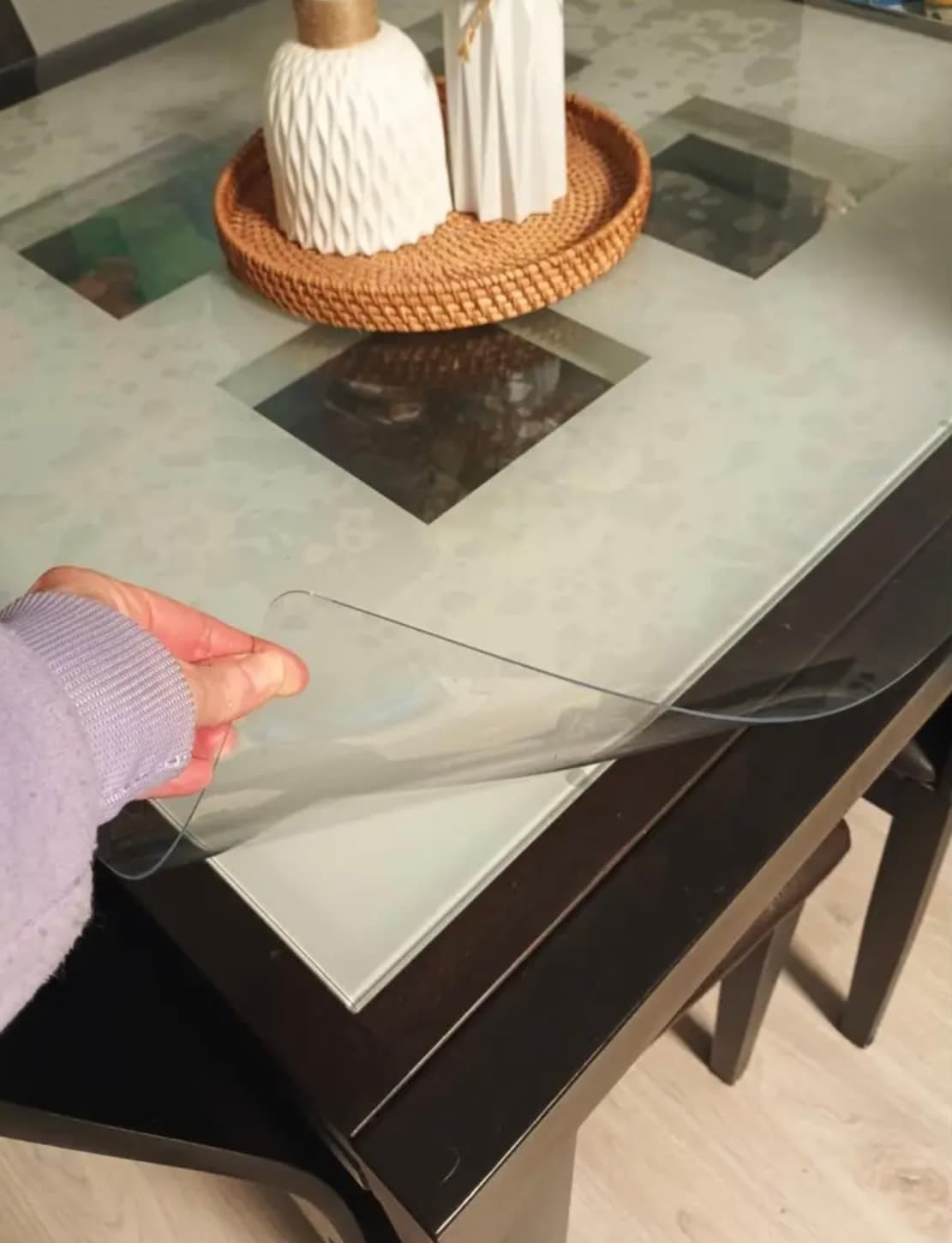
On fresh lacquer, glass and high-gloss finishes, compatibility and appearance depend on the underlying surface. Test first and consider matte where reflections or contact patterns are a concern.
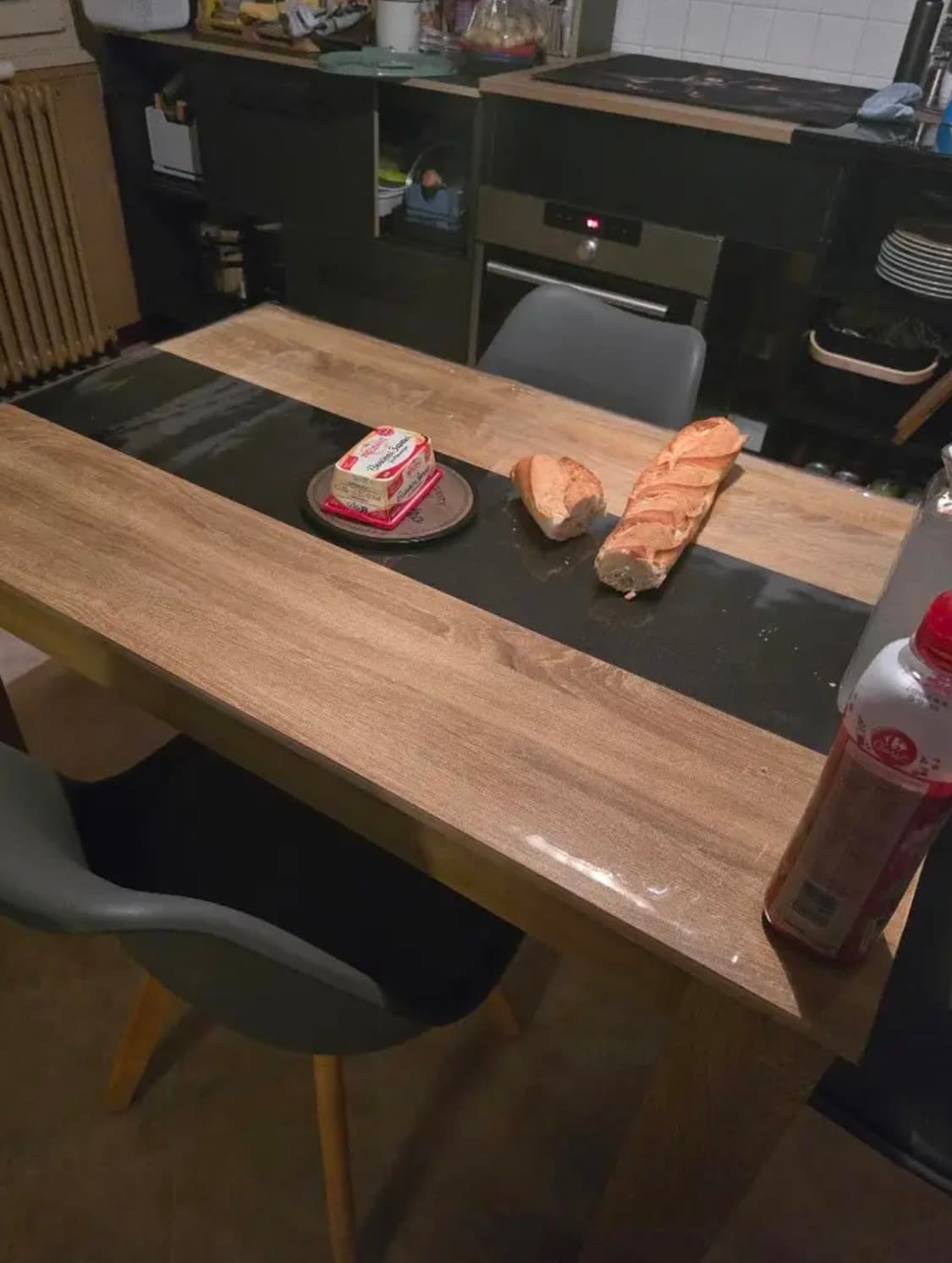
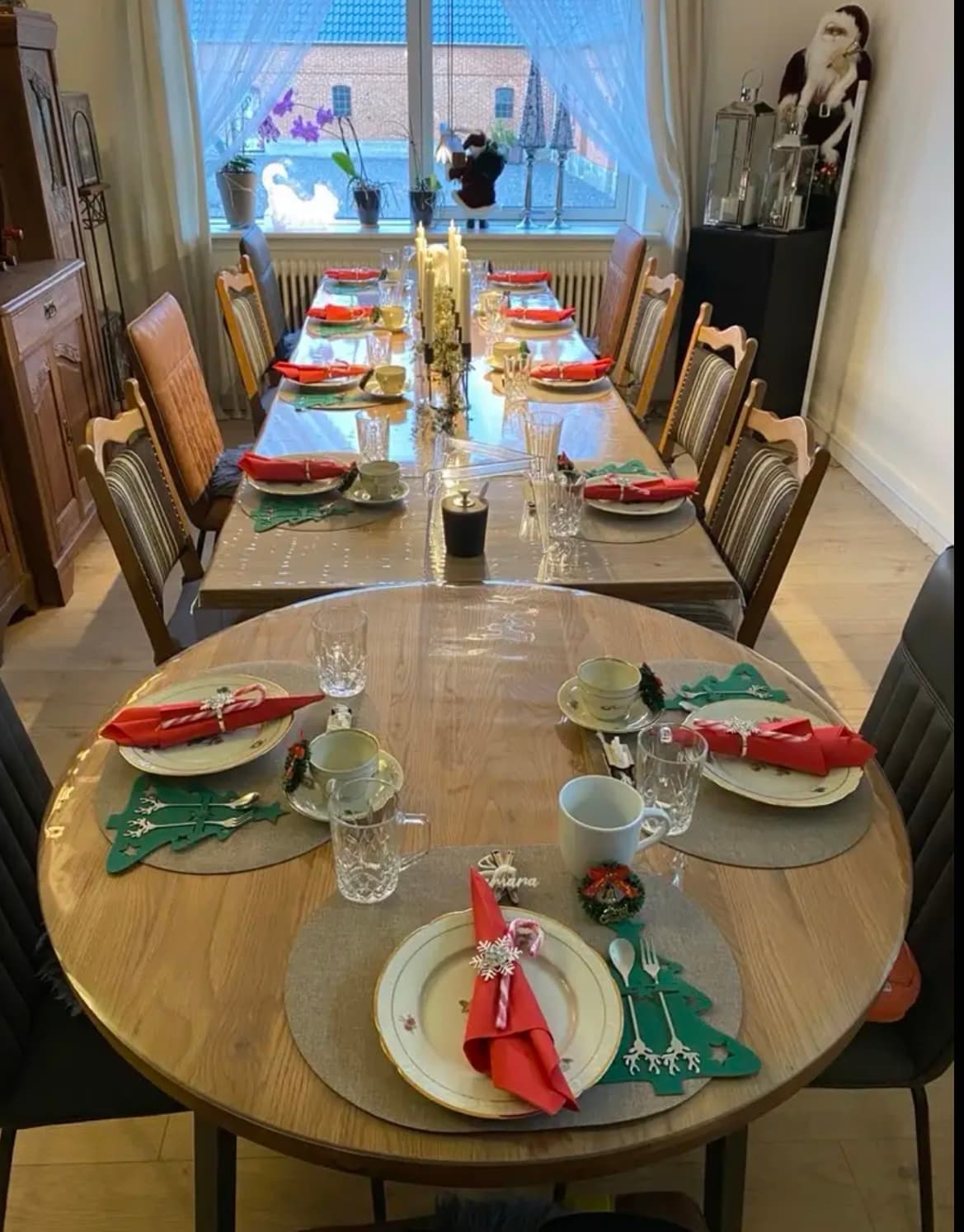
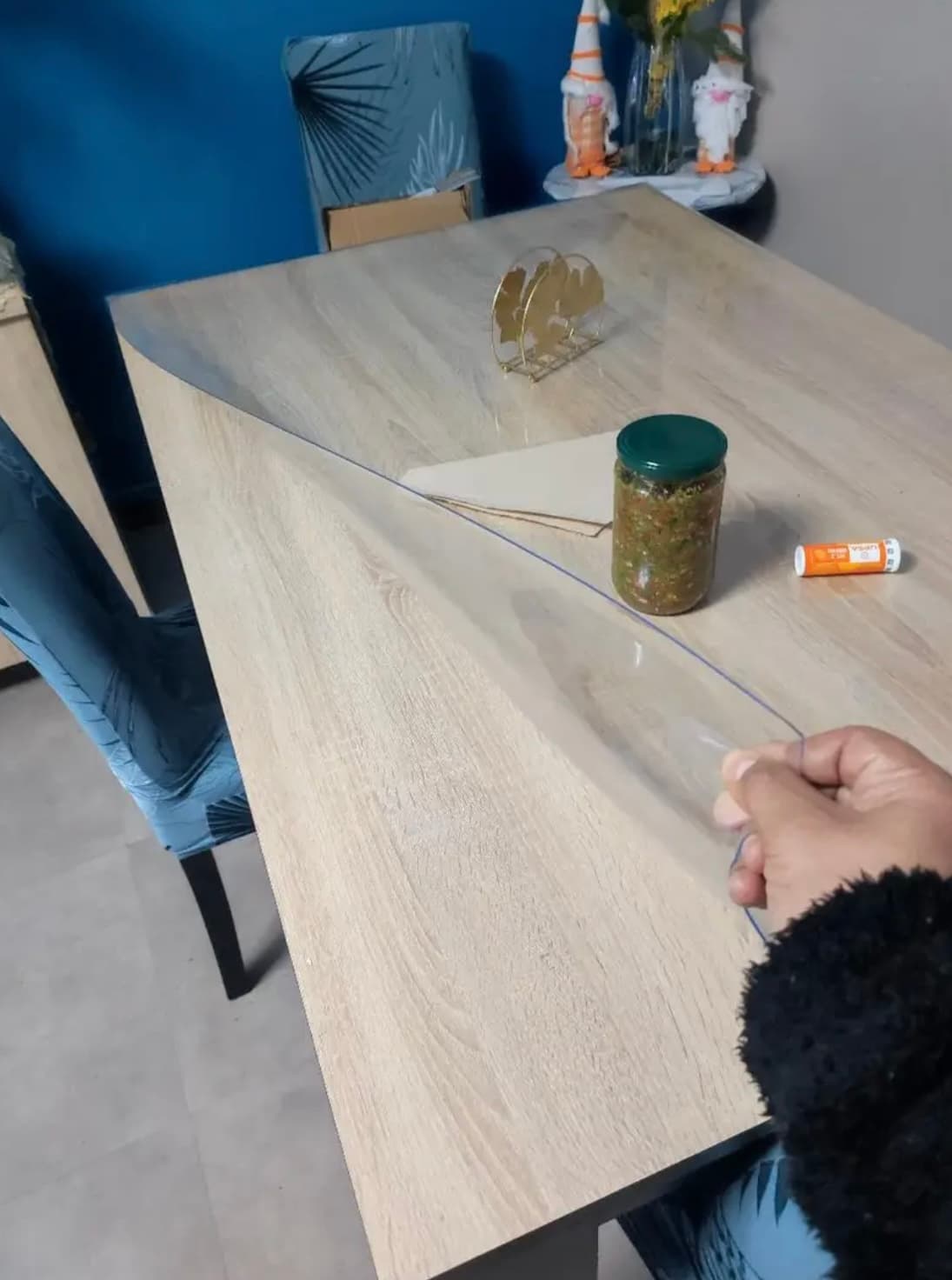
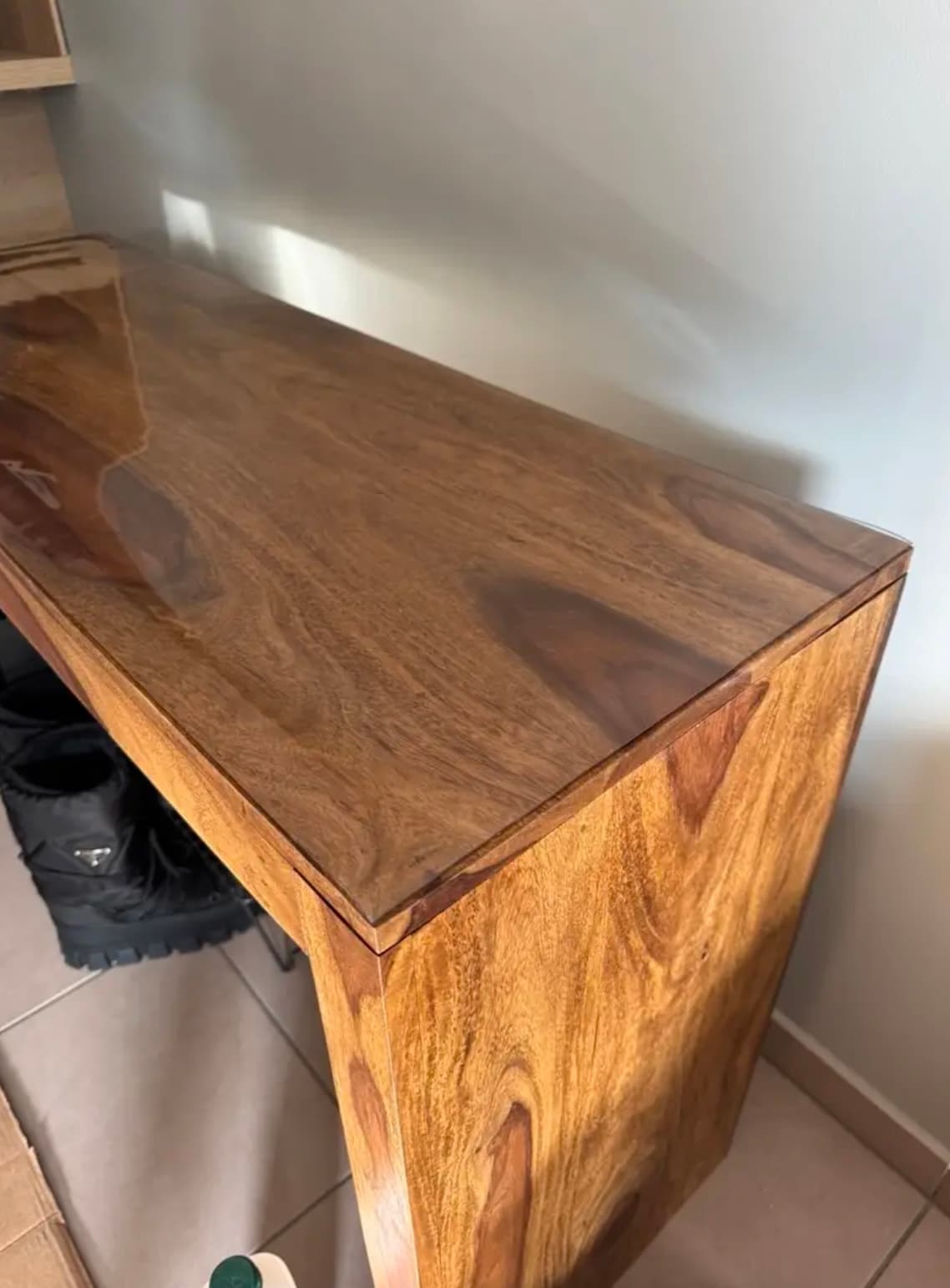
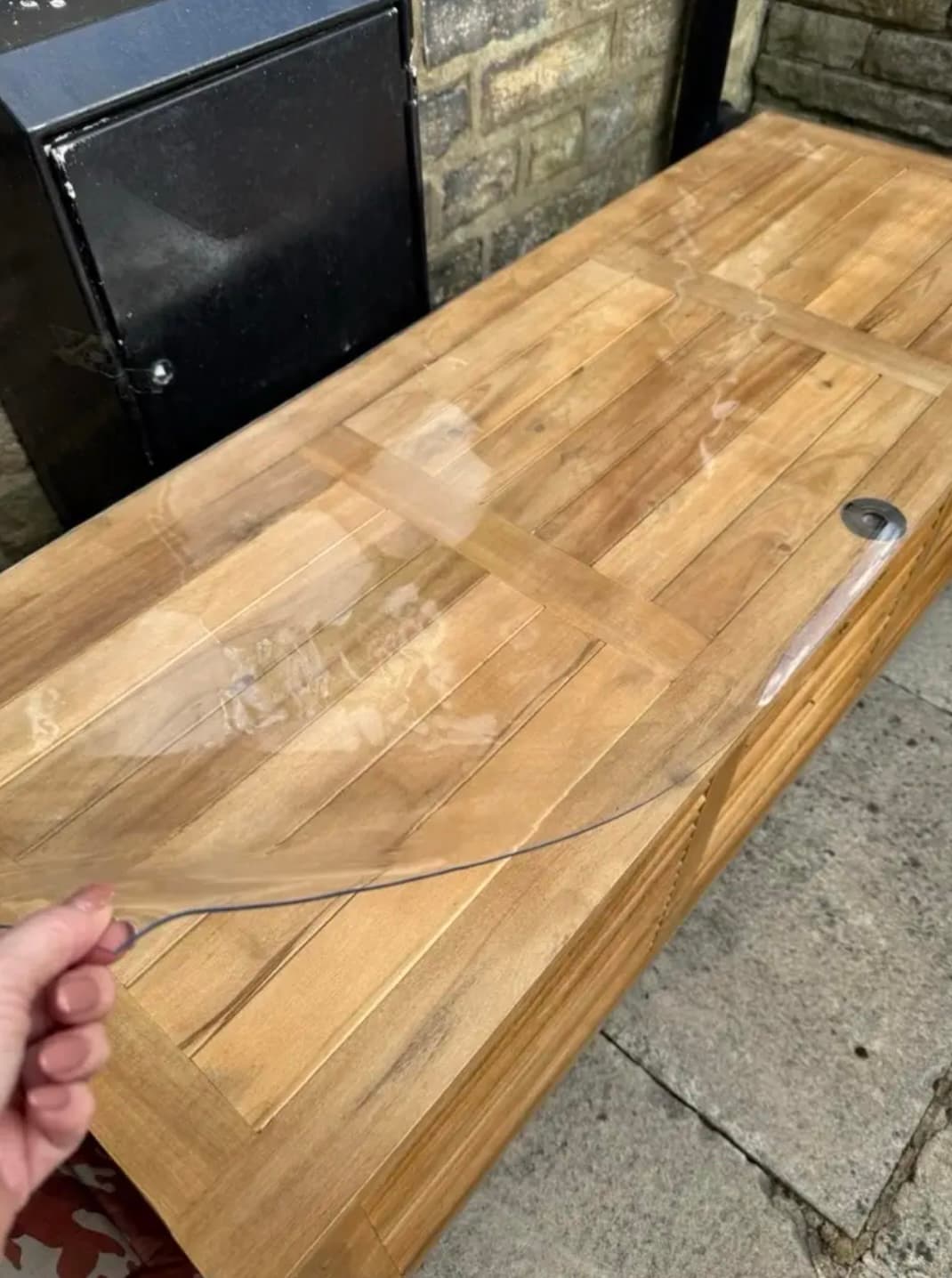
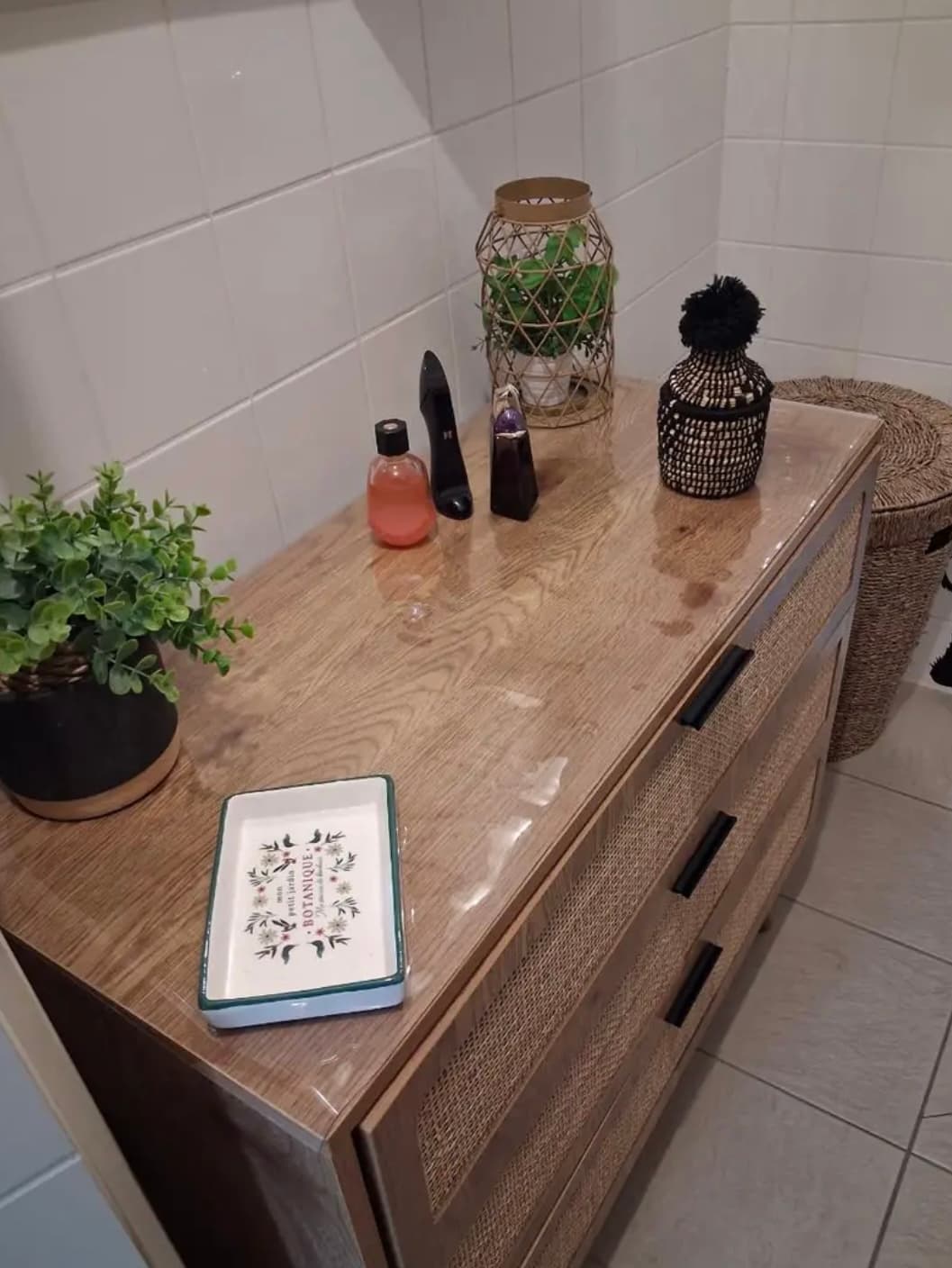
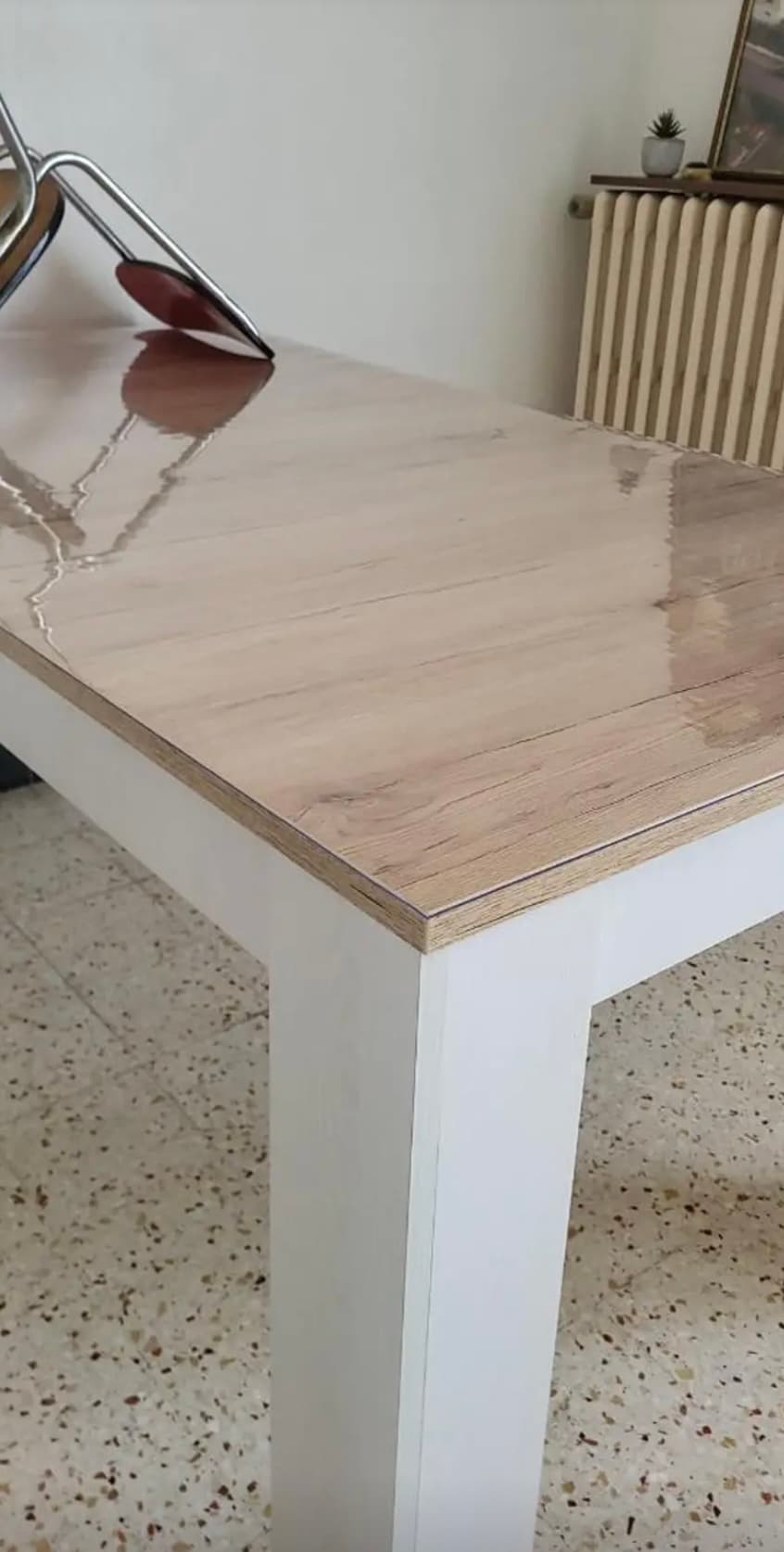
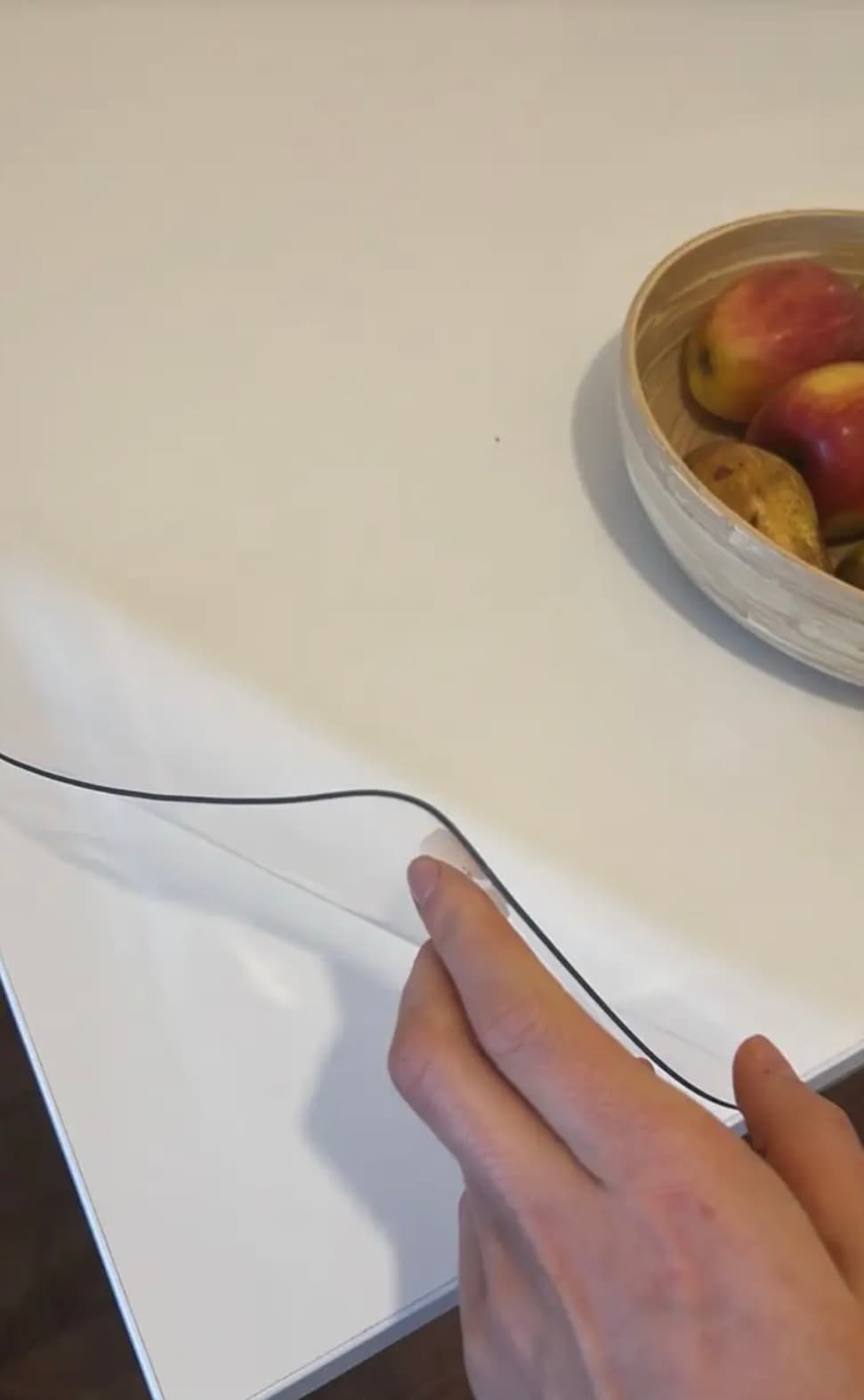
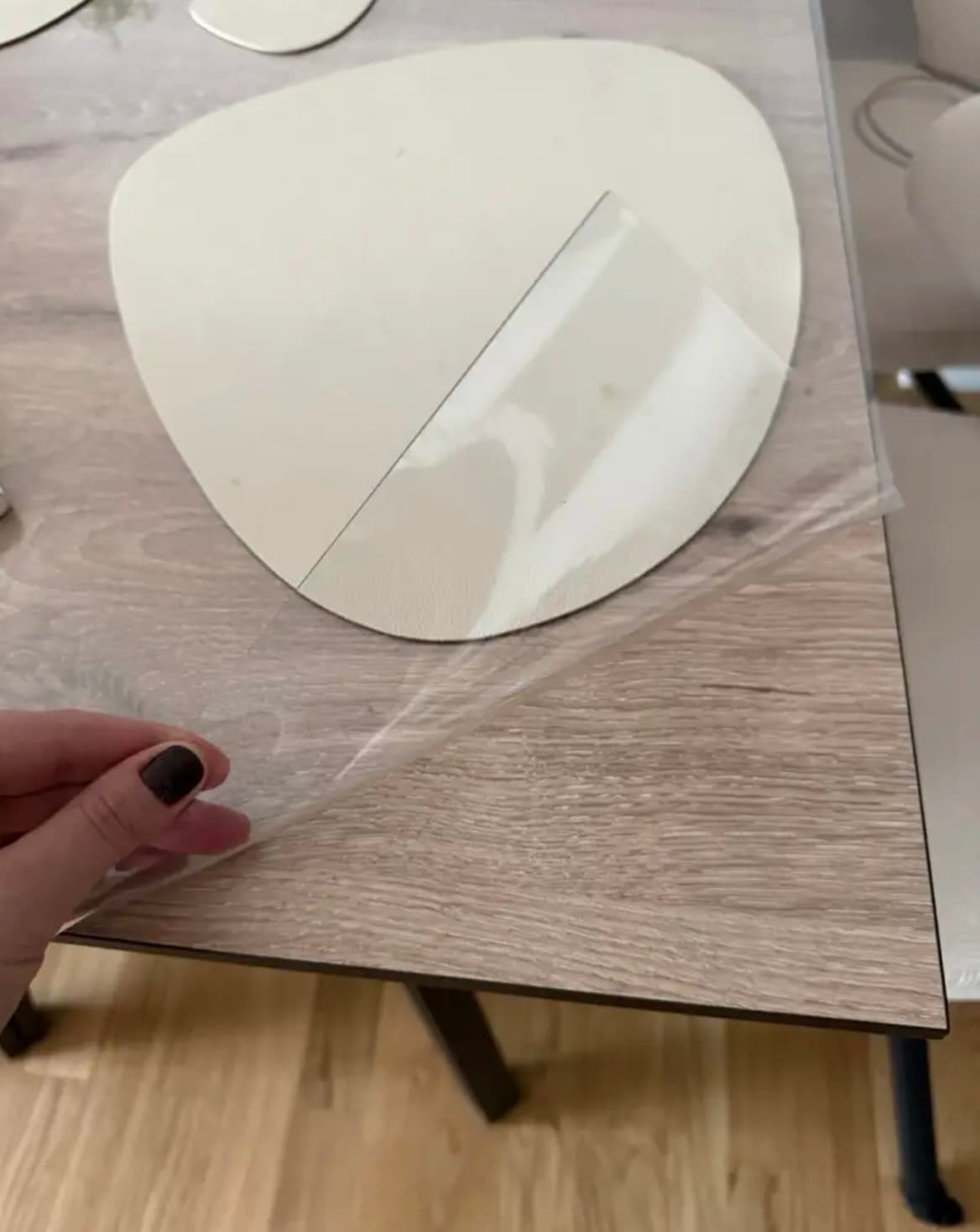
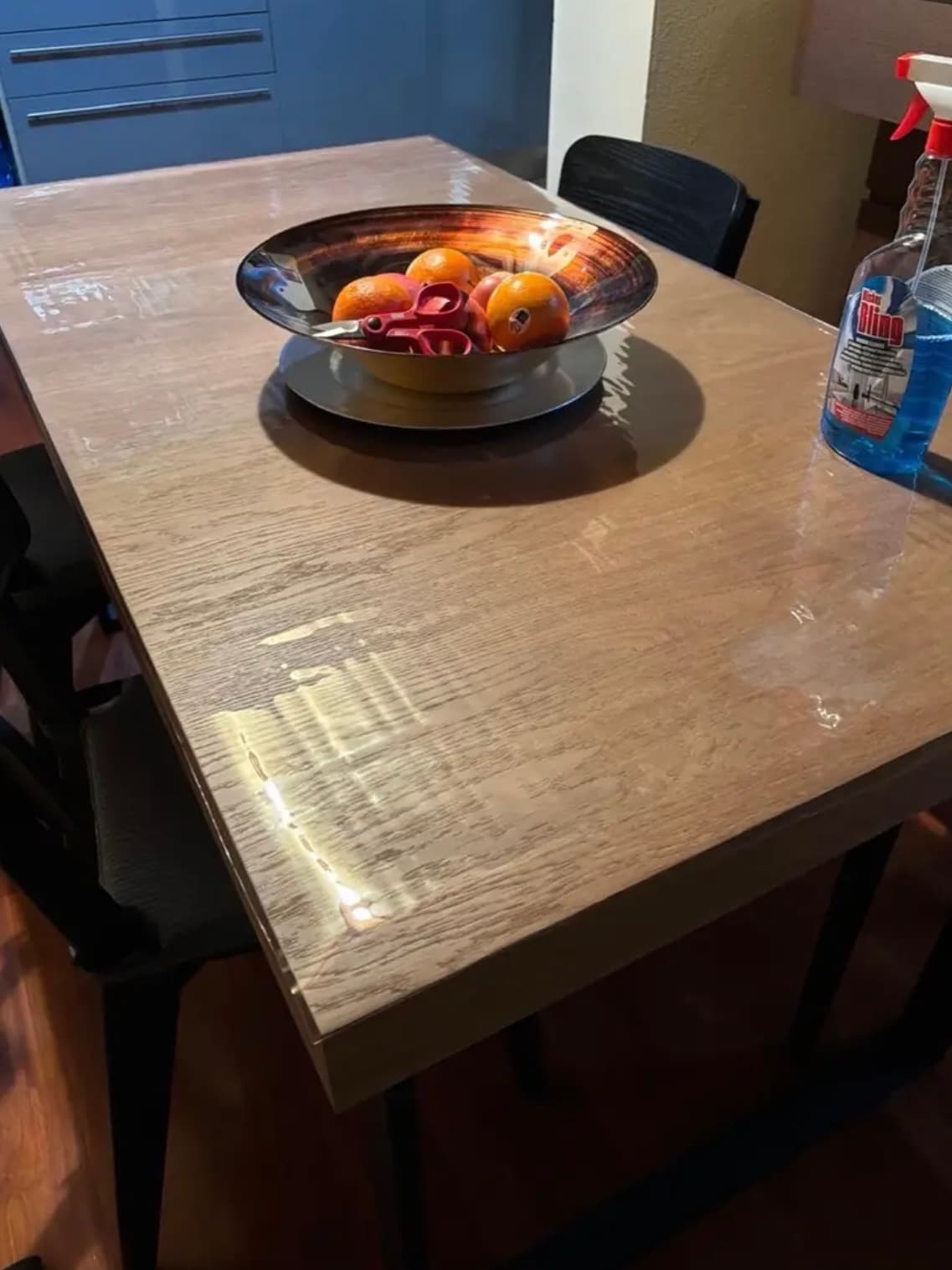
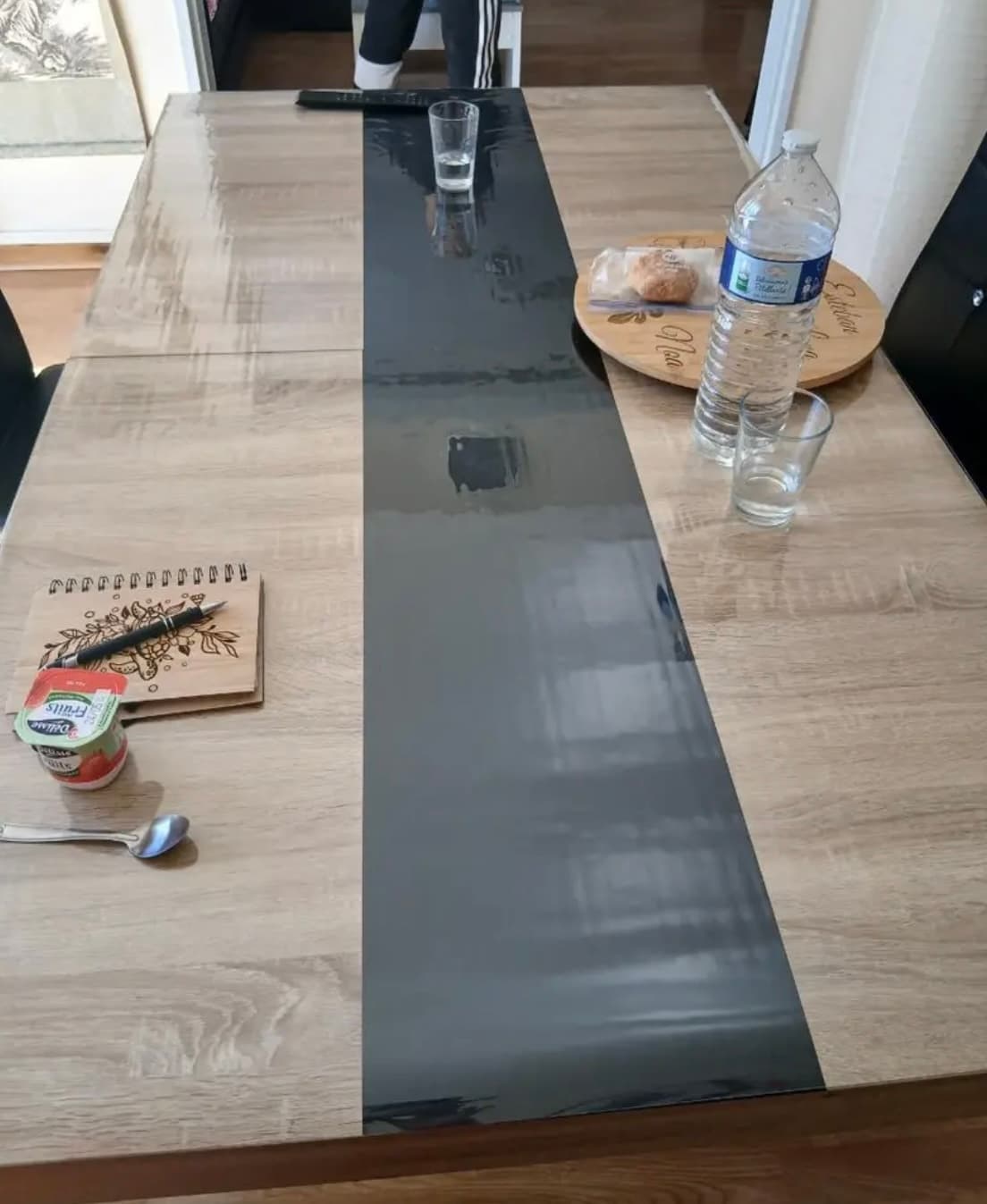
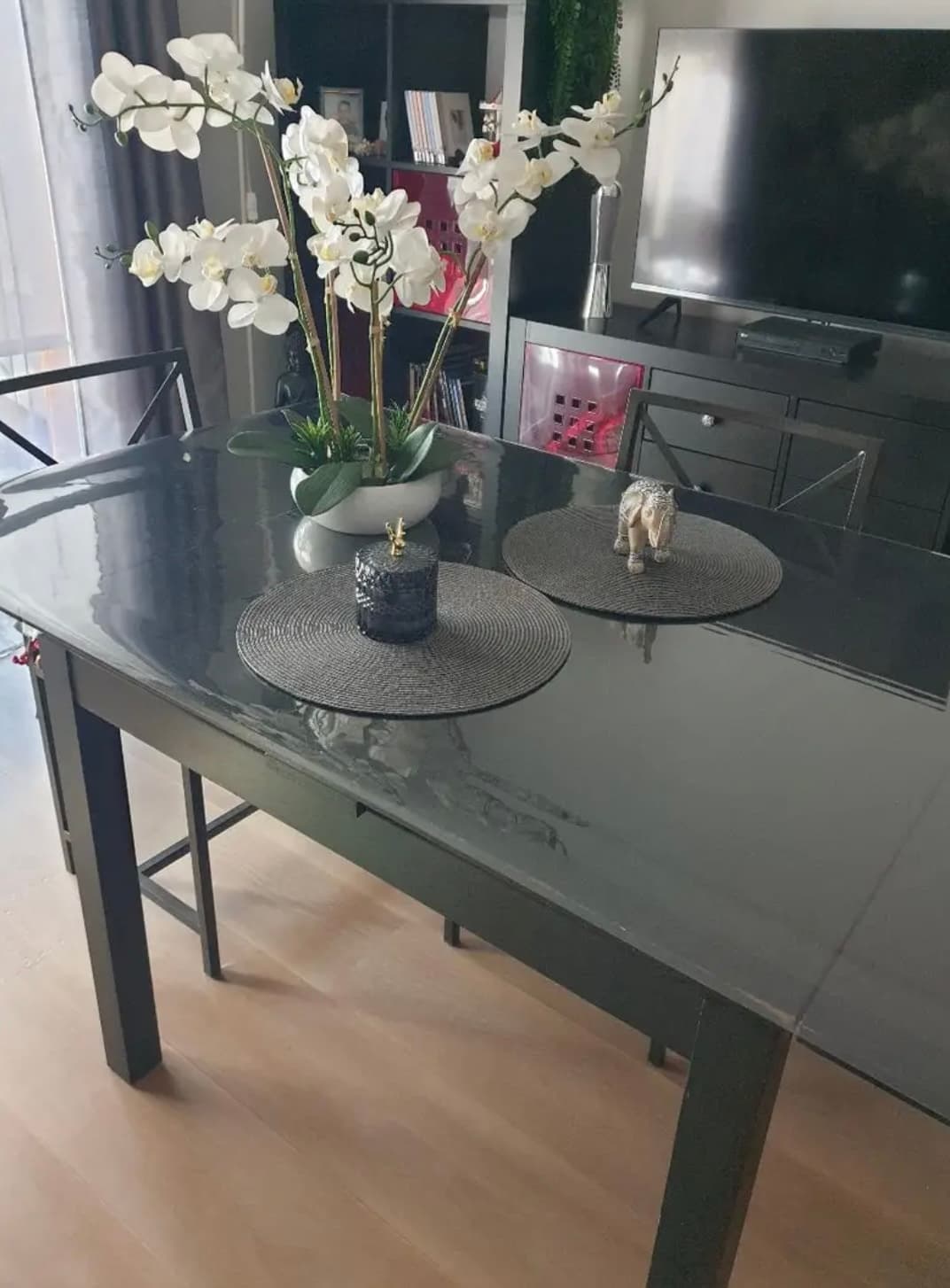
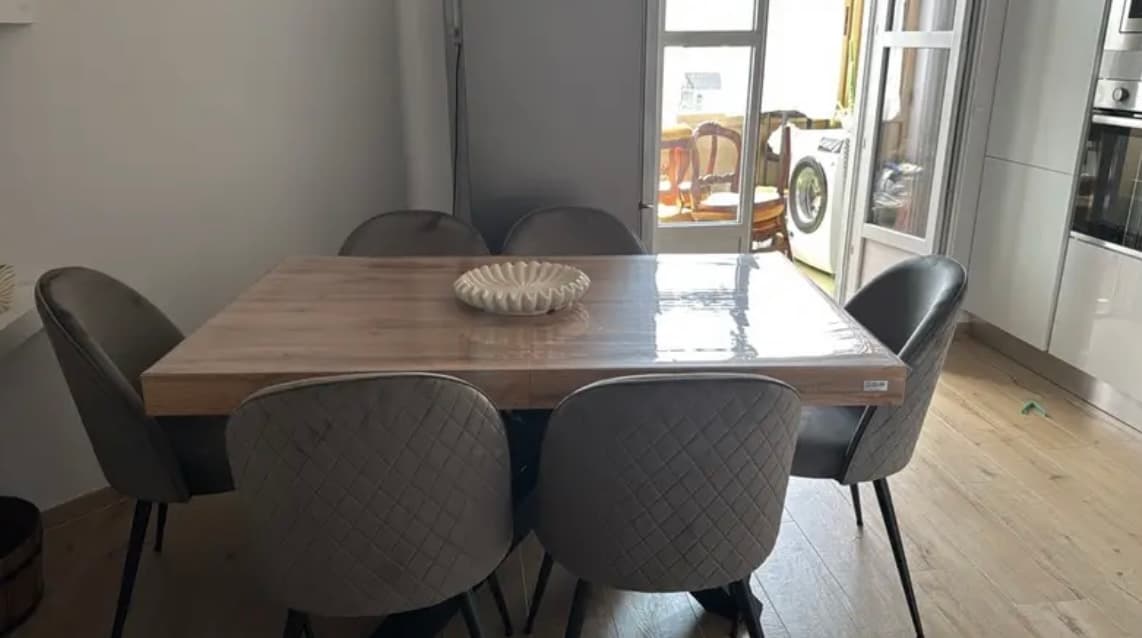
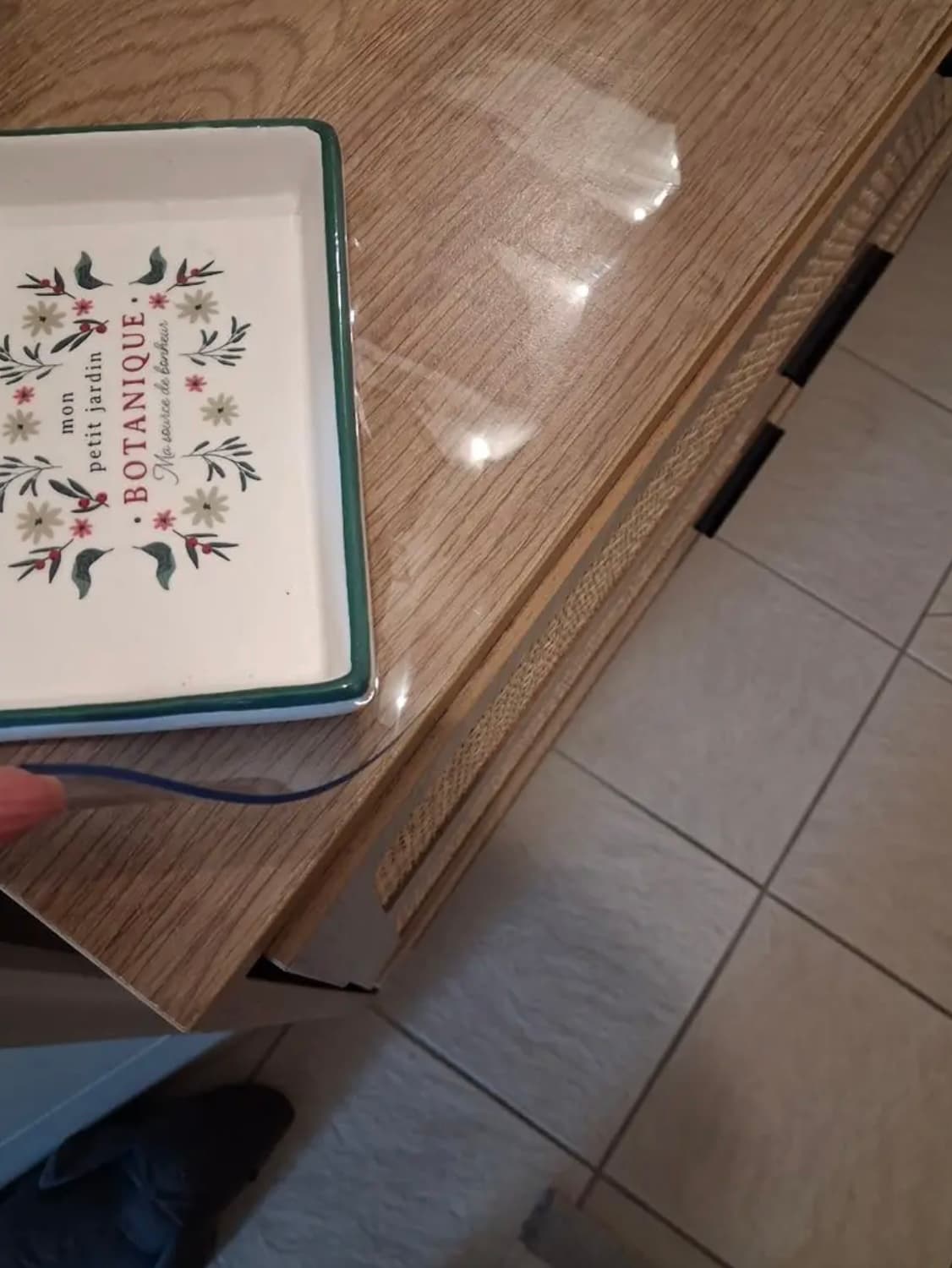
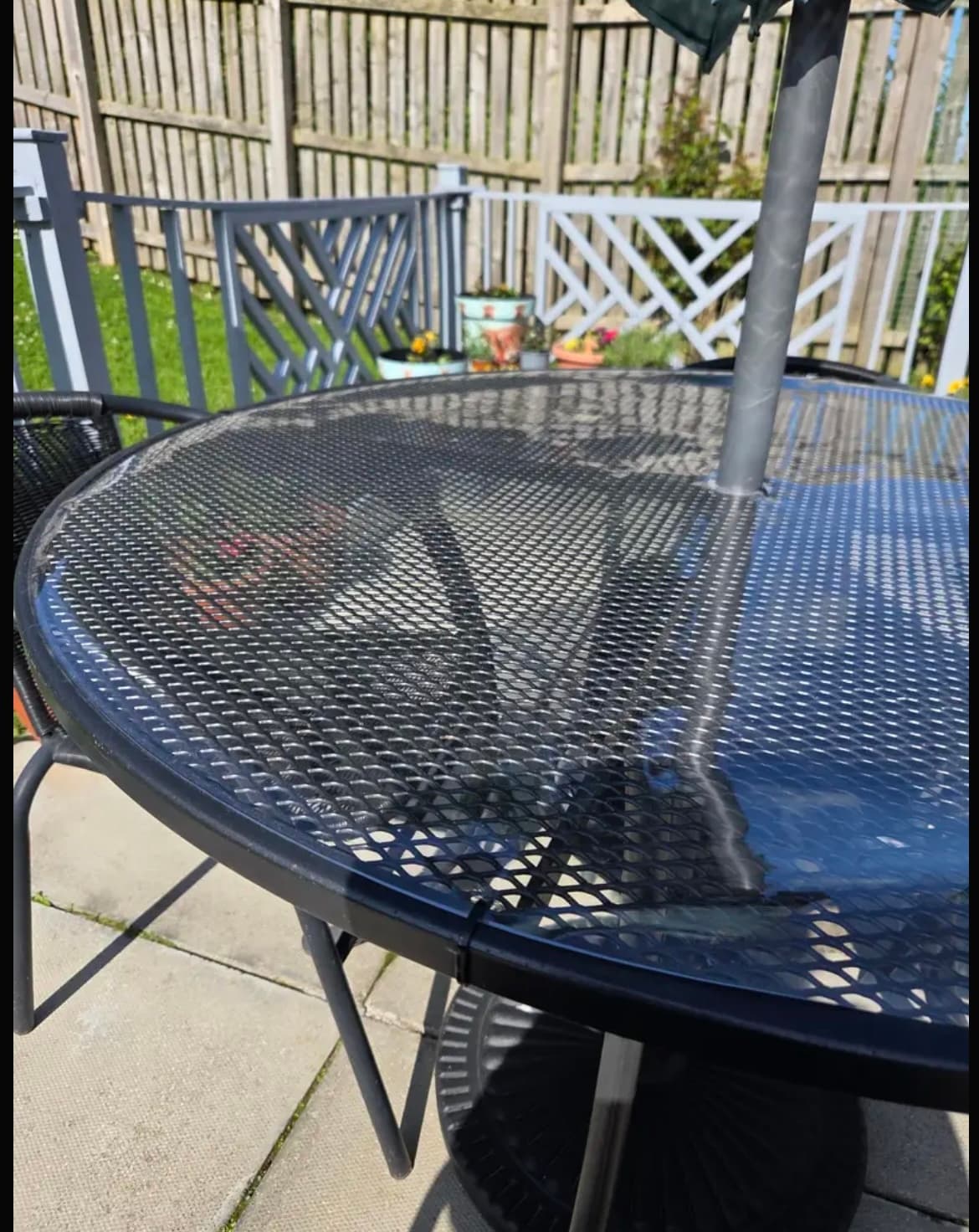
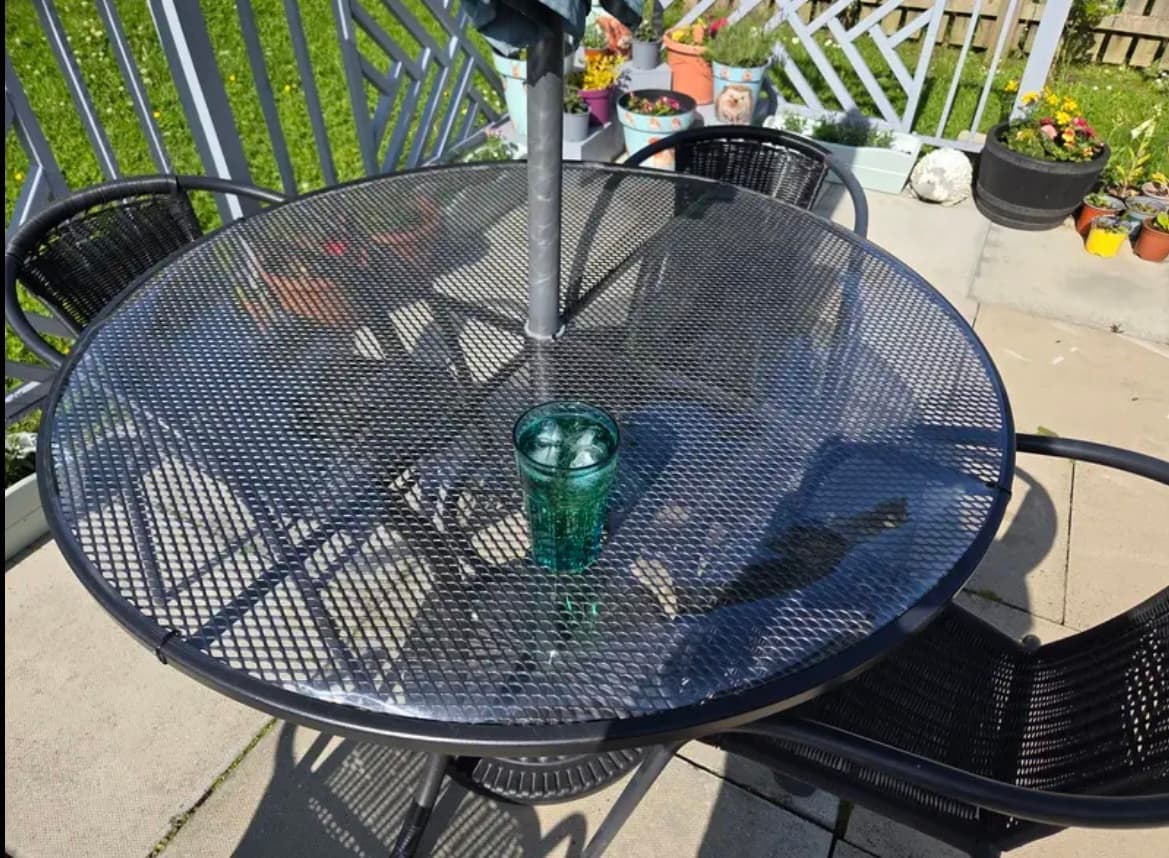
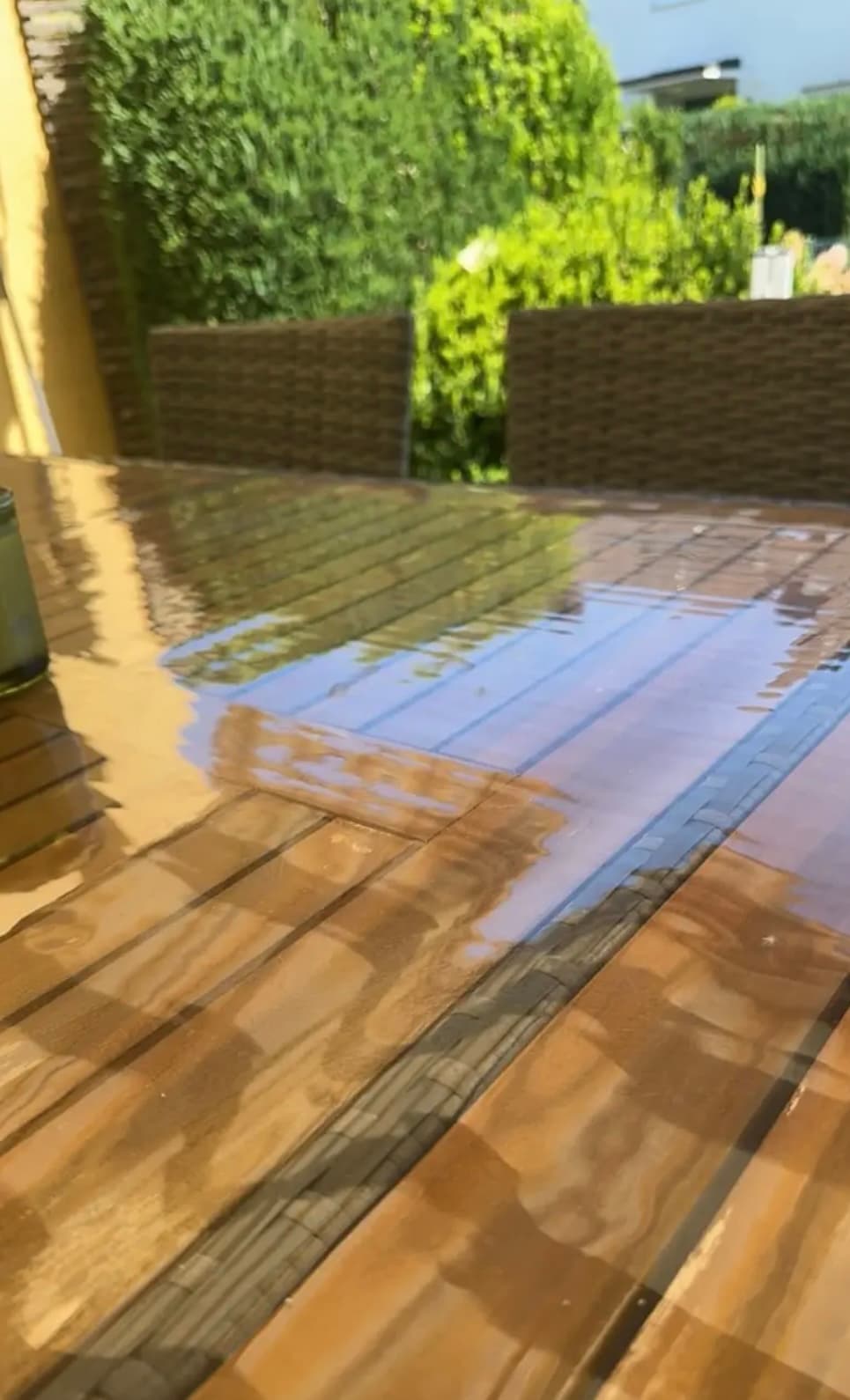
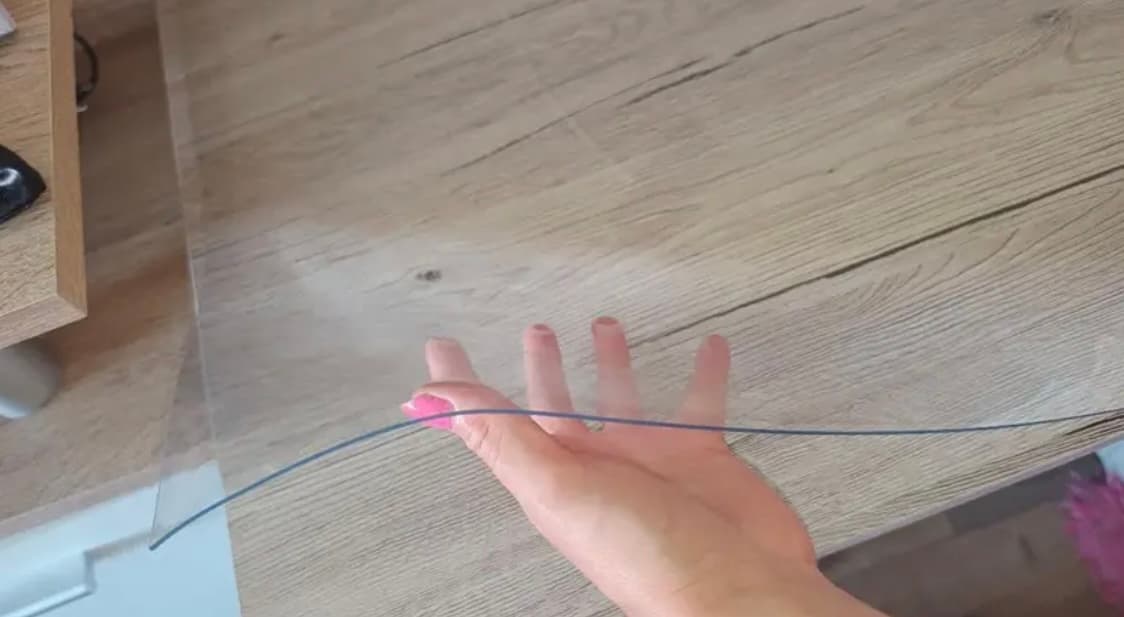
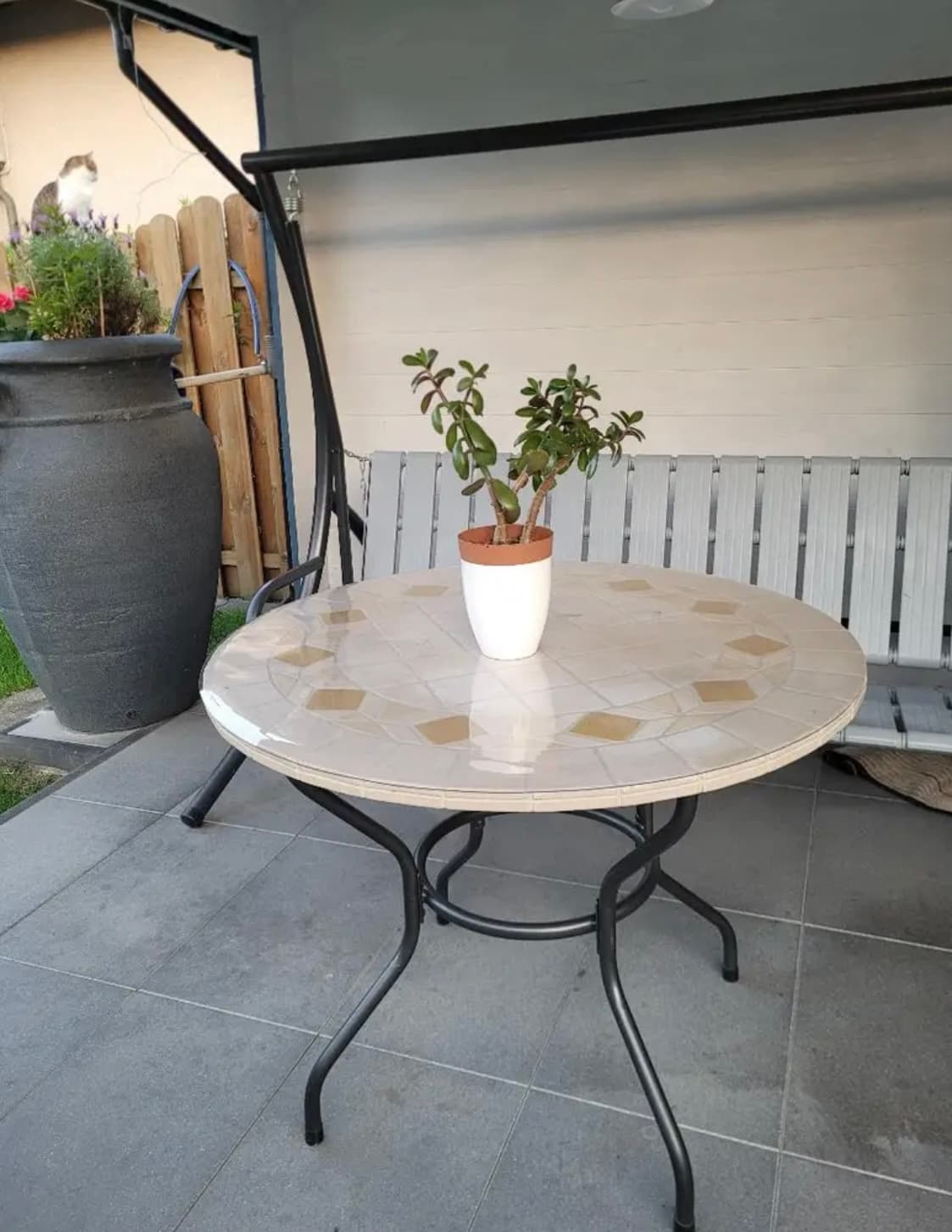
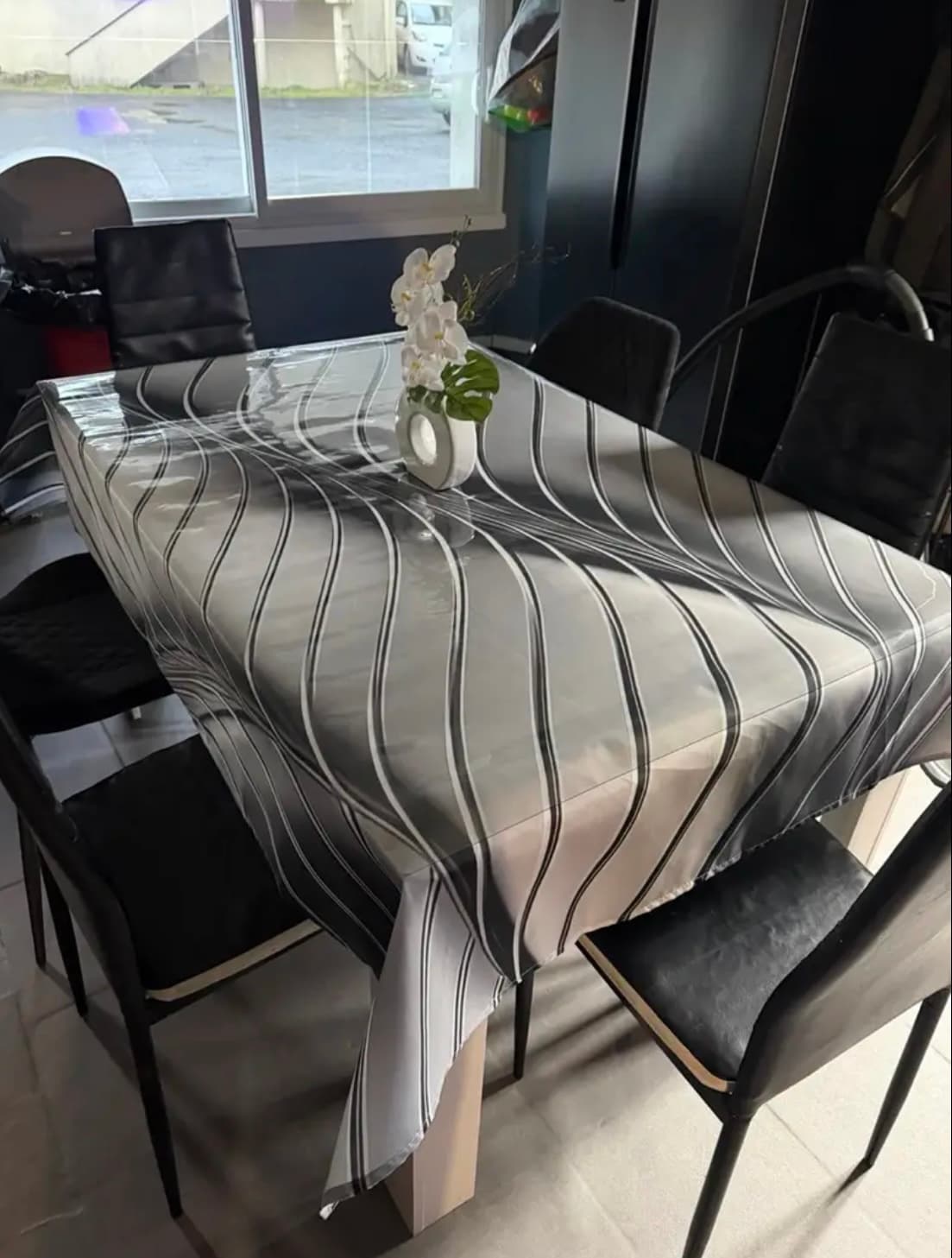
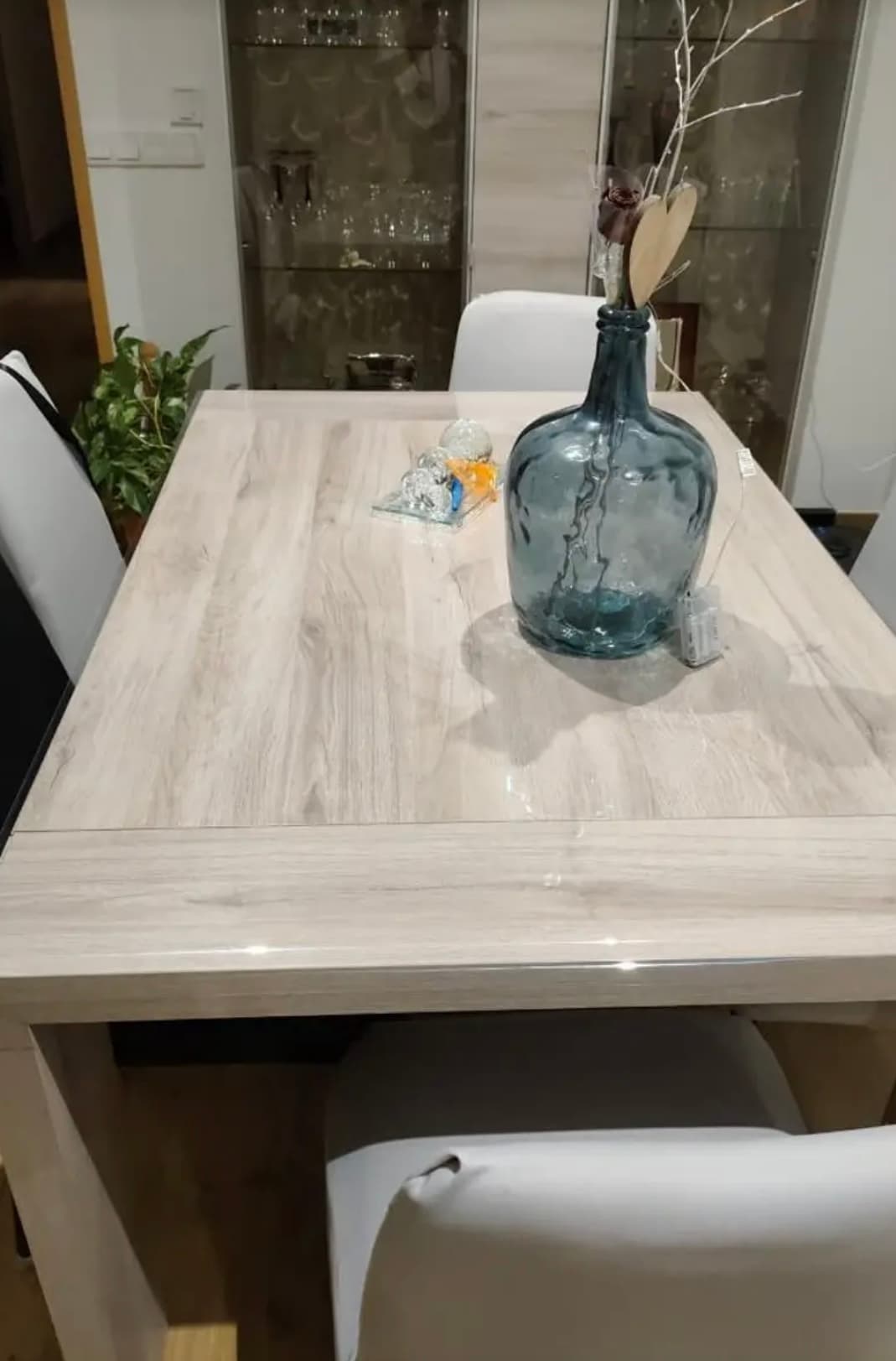
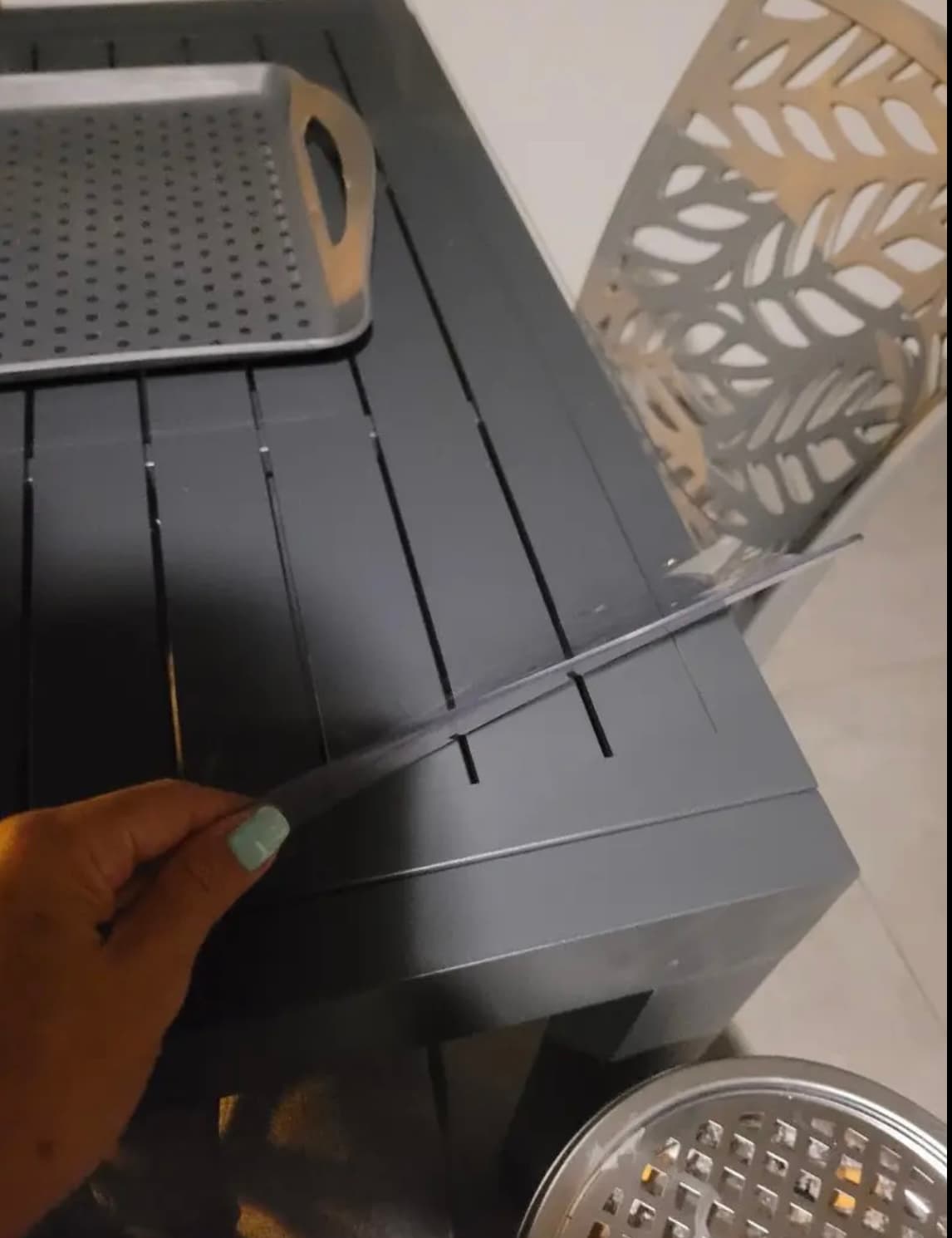
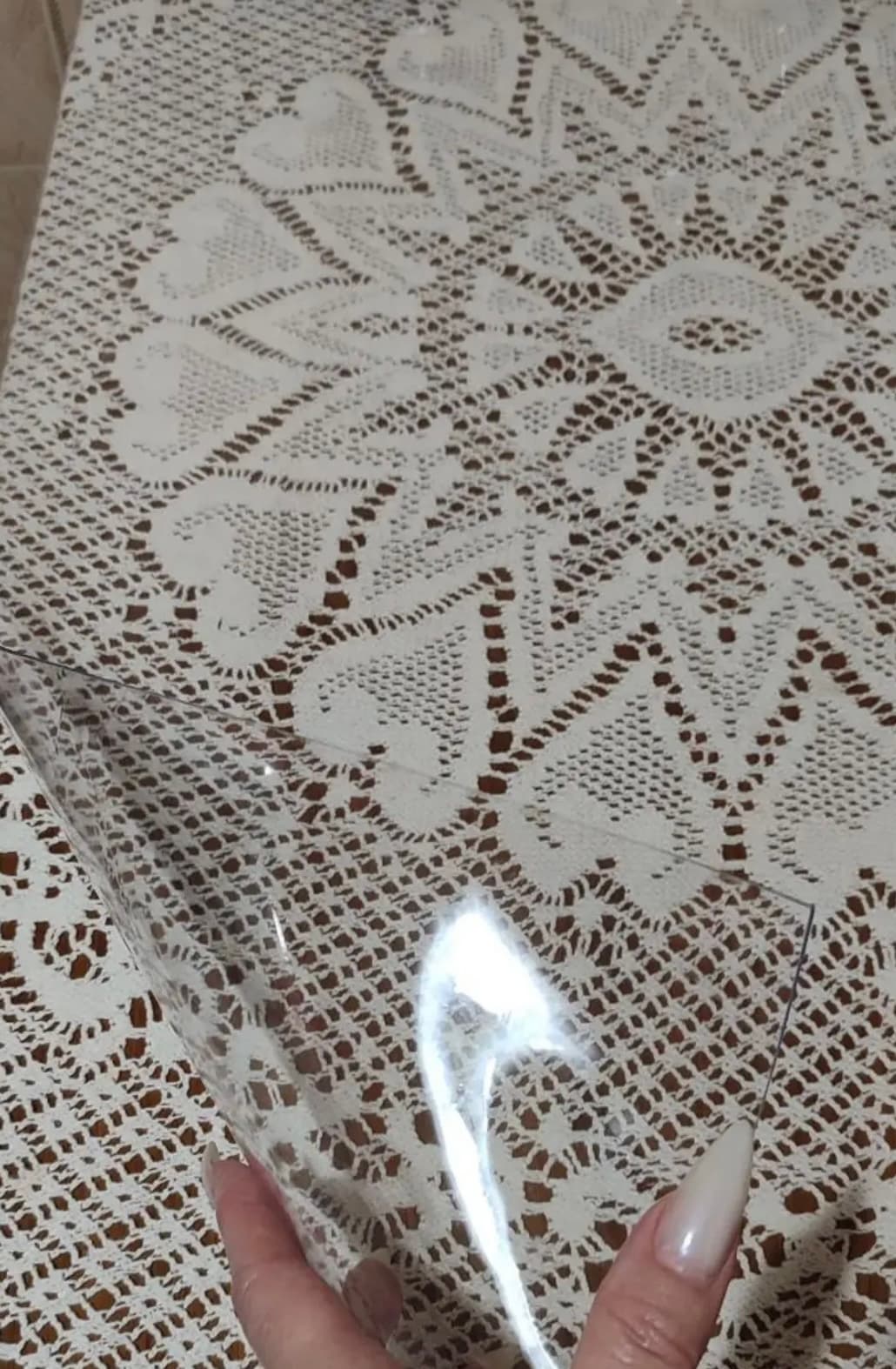
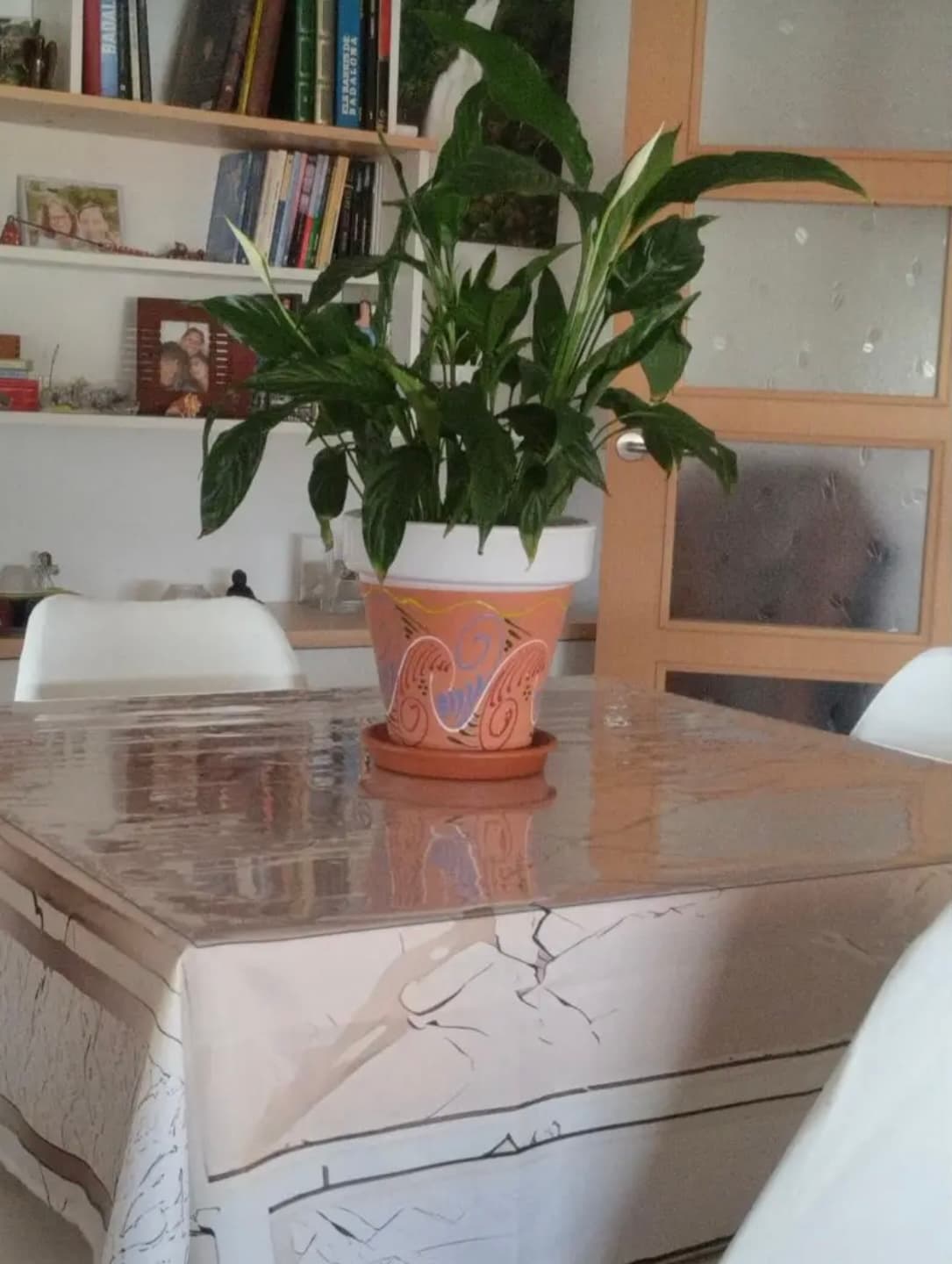
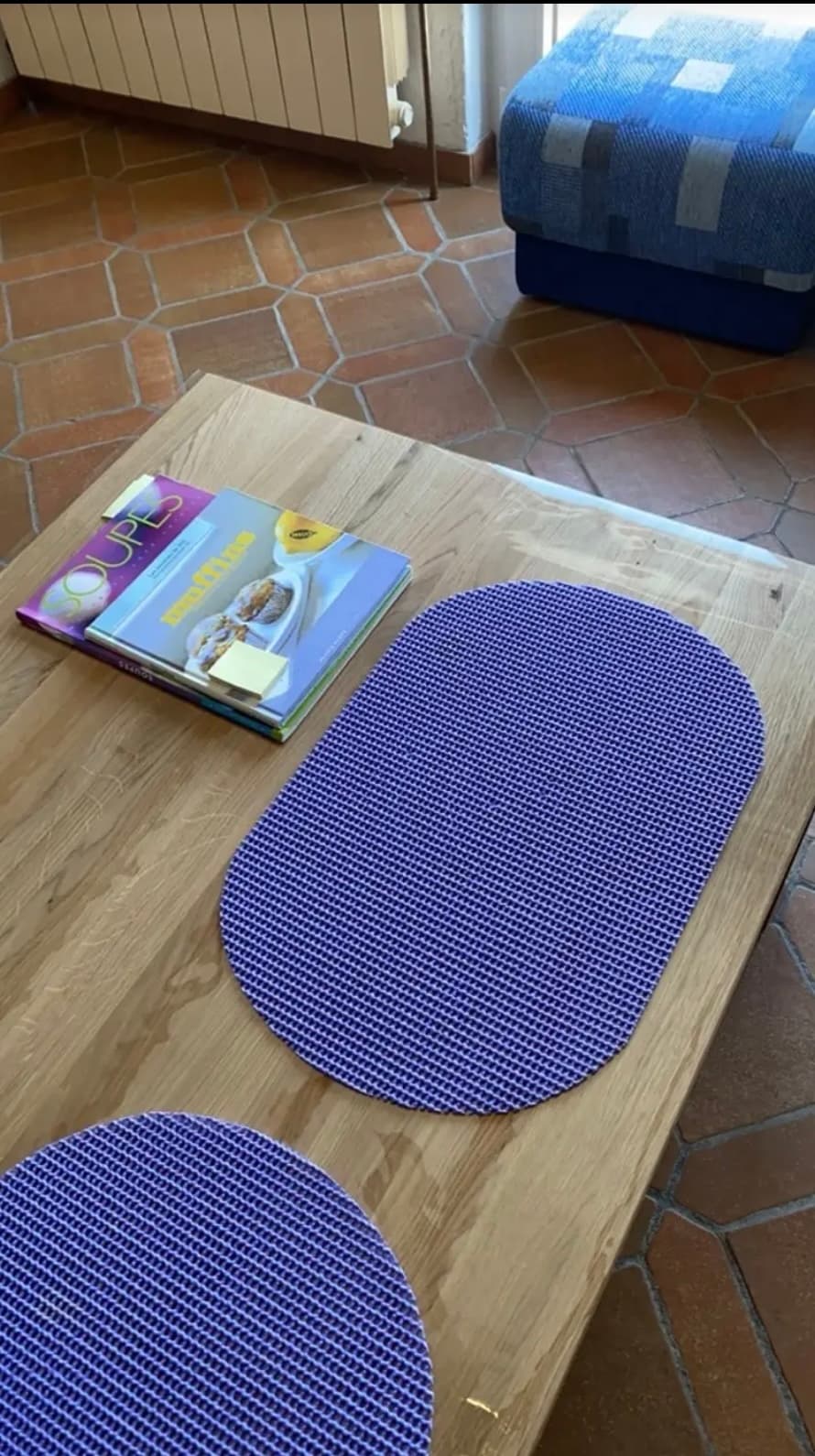
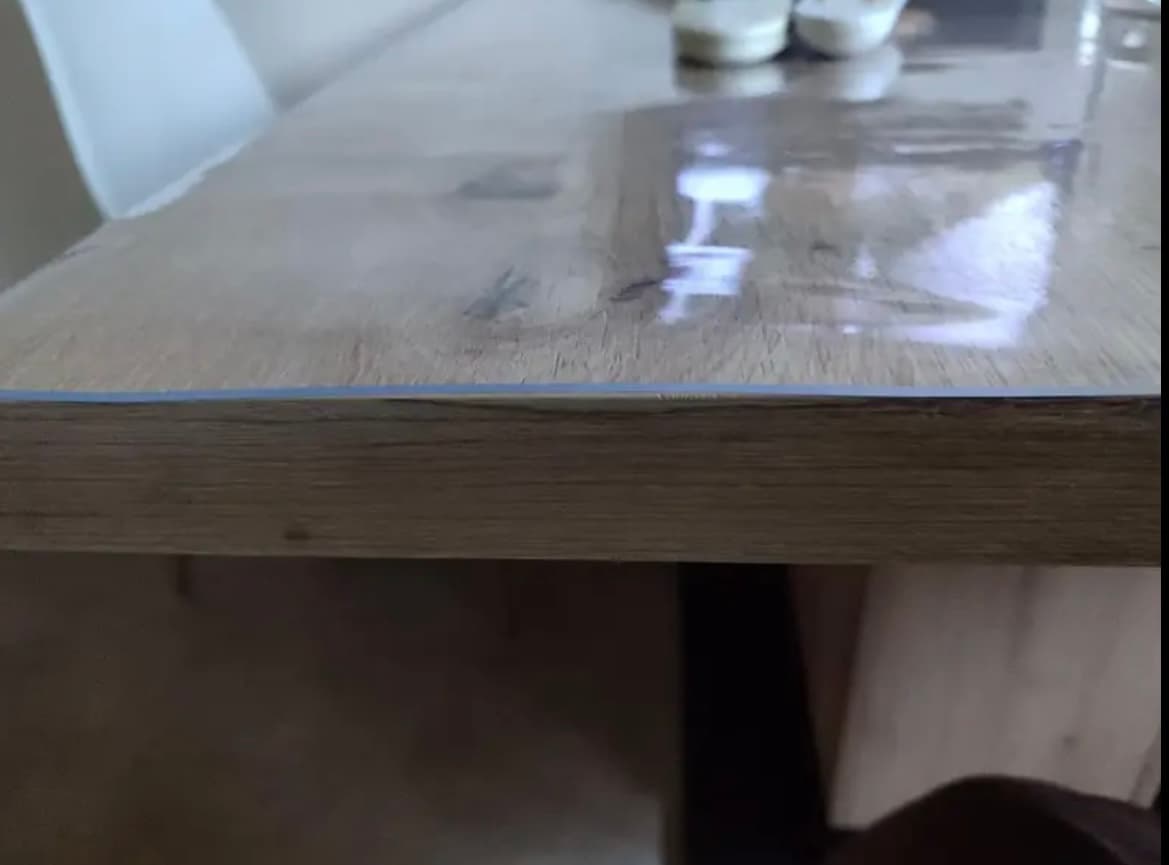
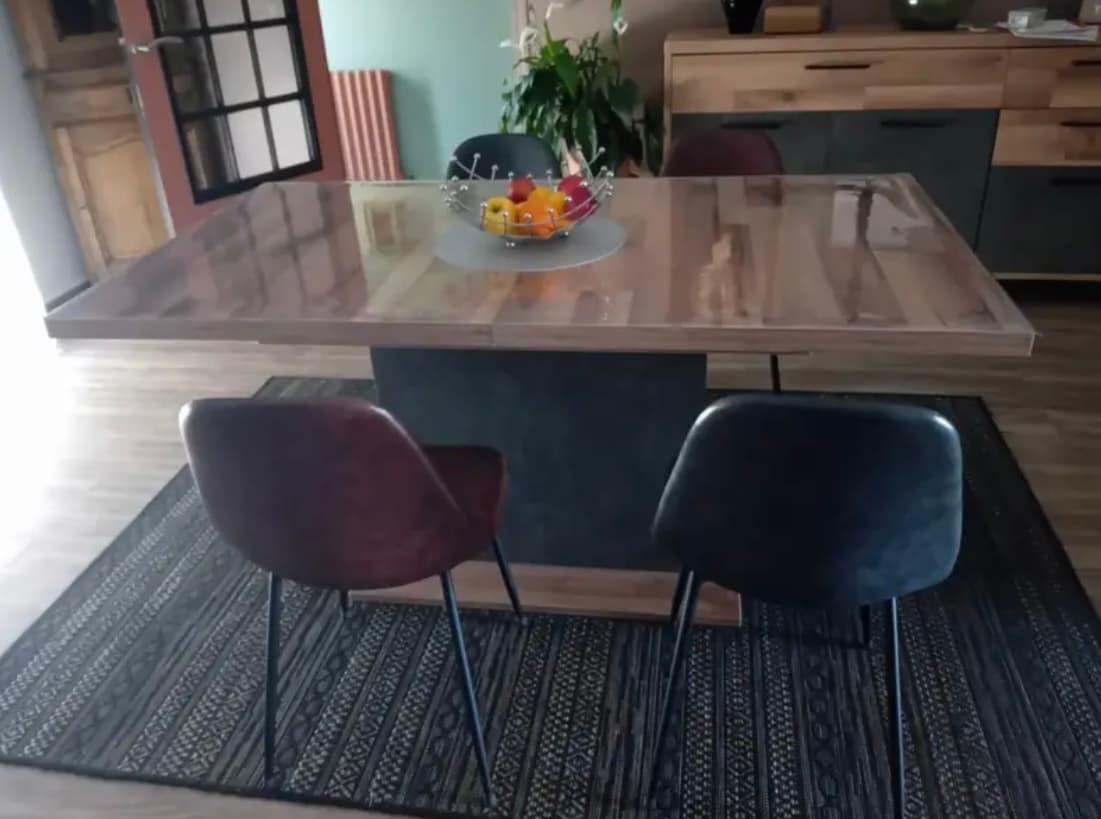
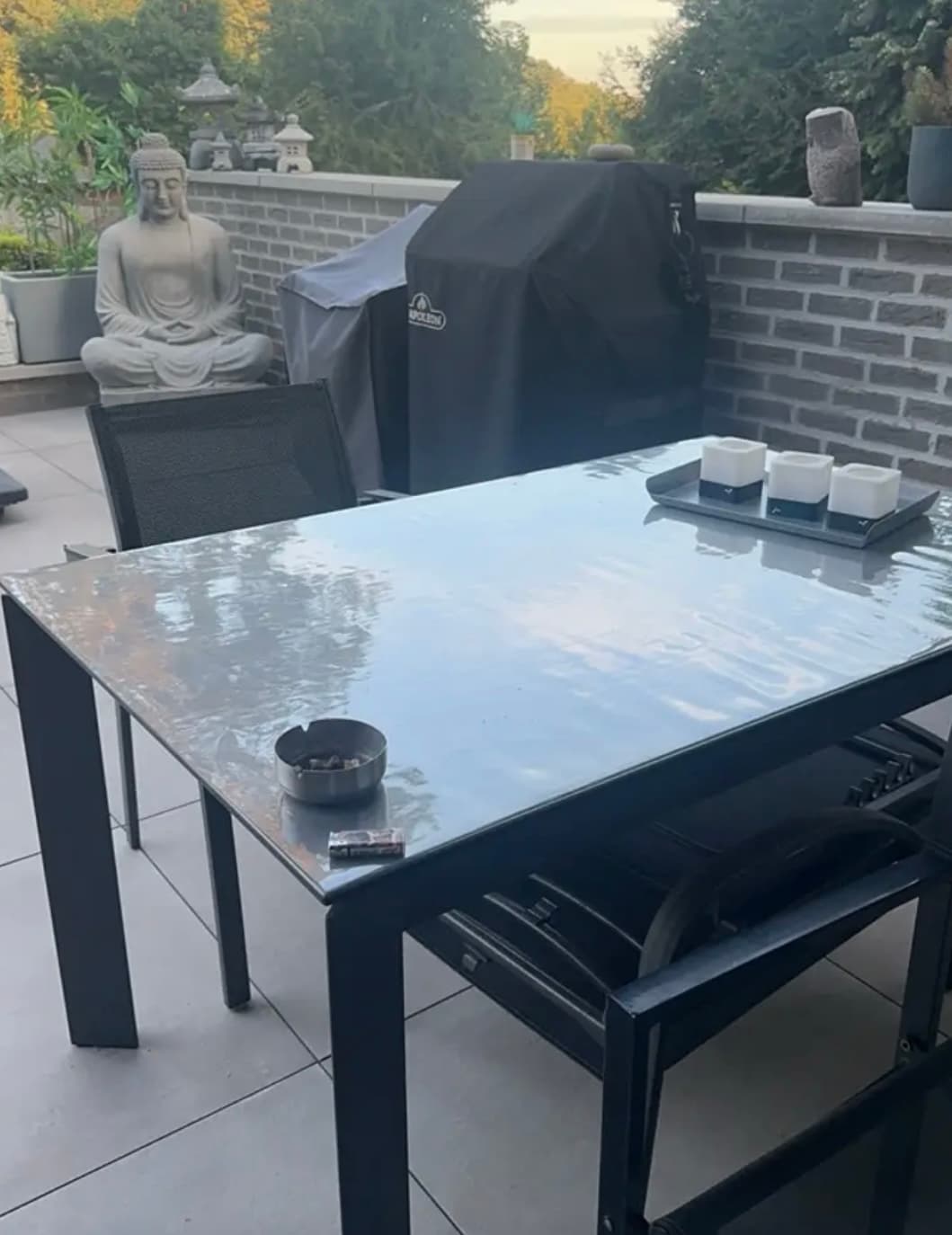
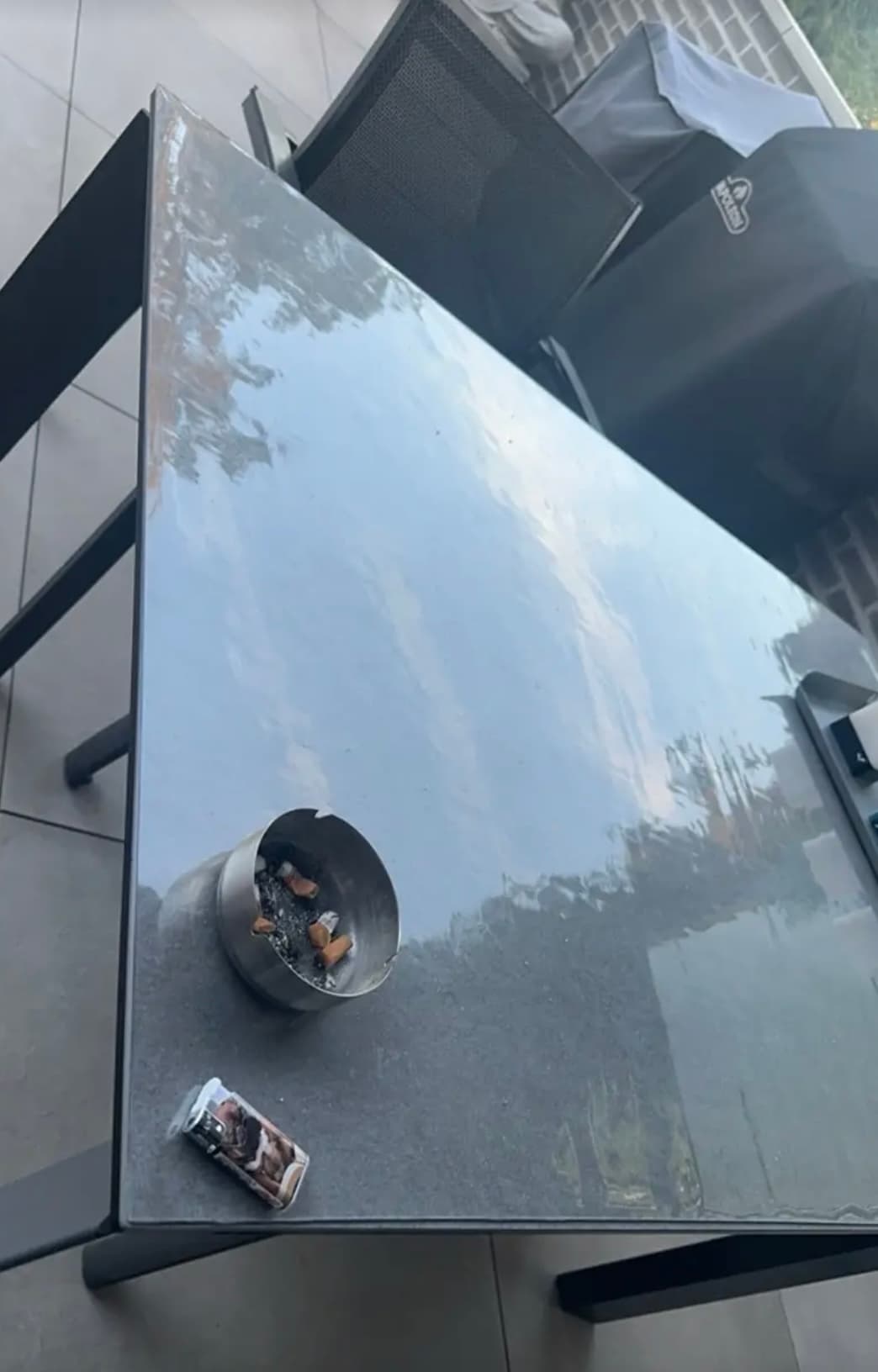
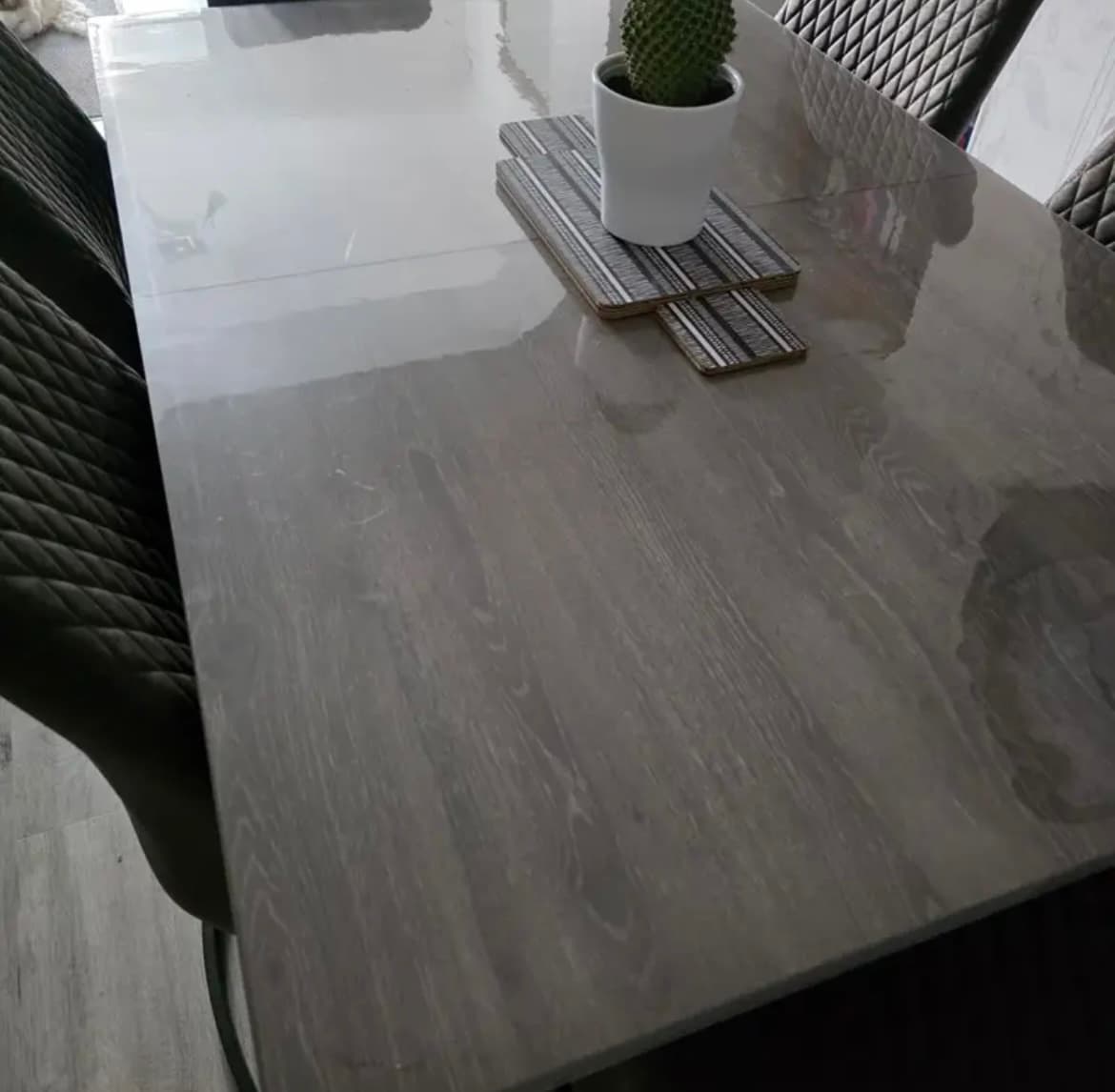
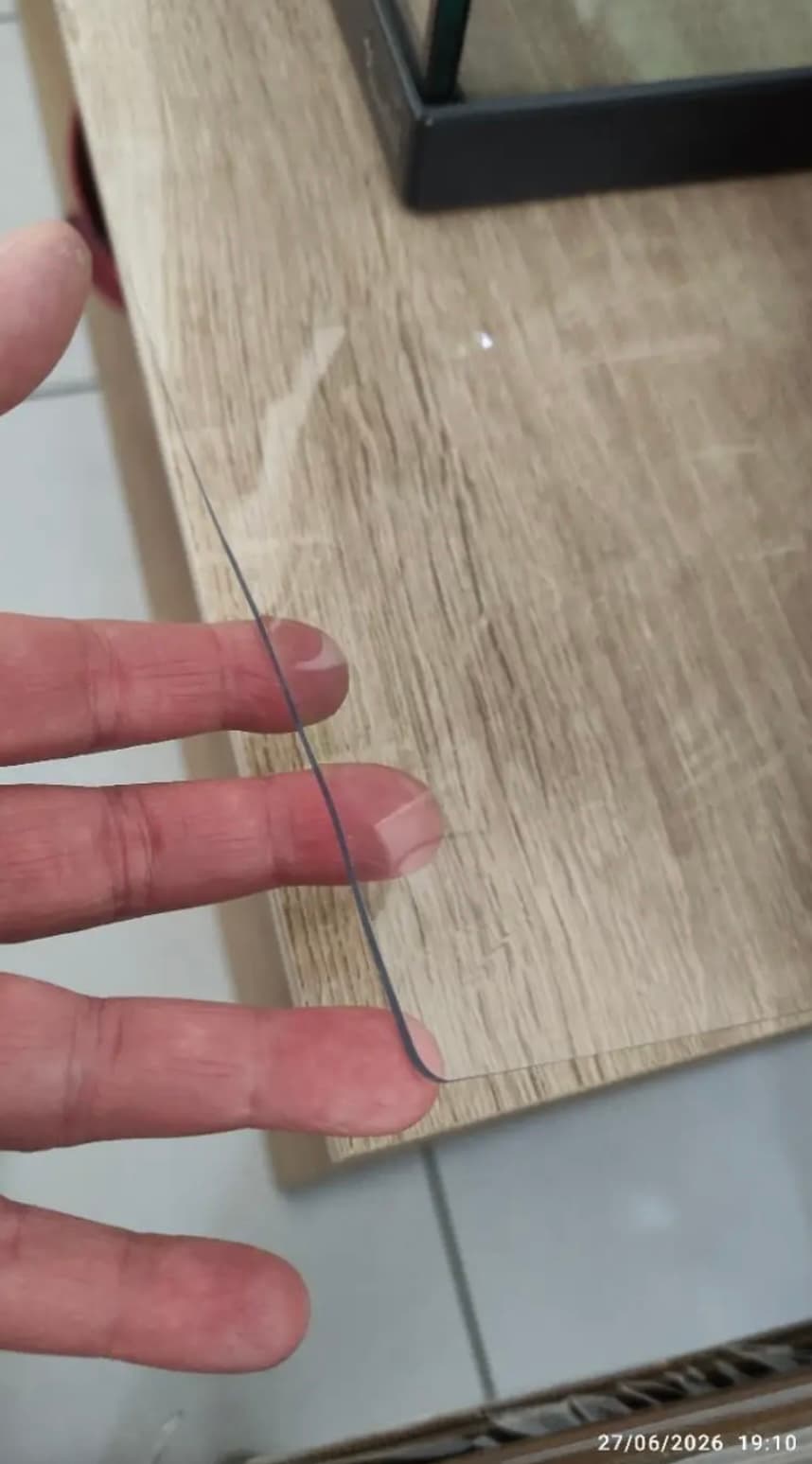
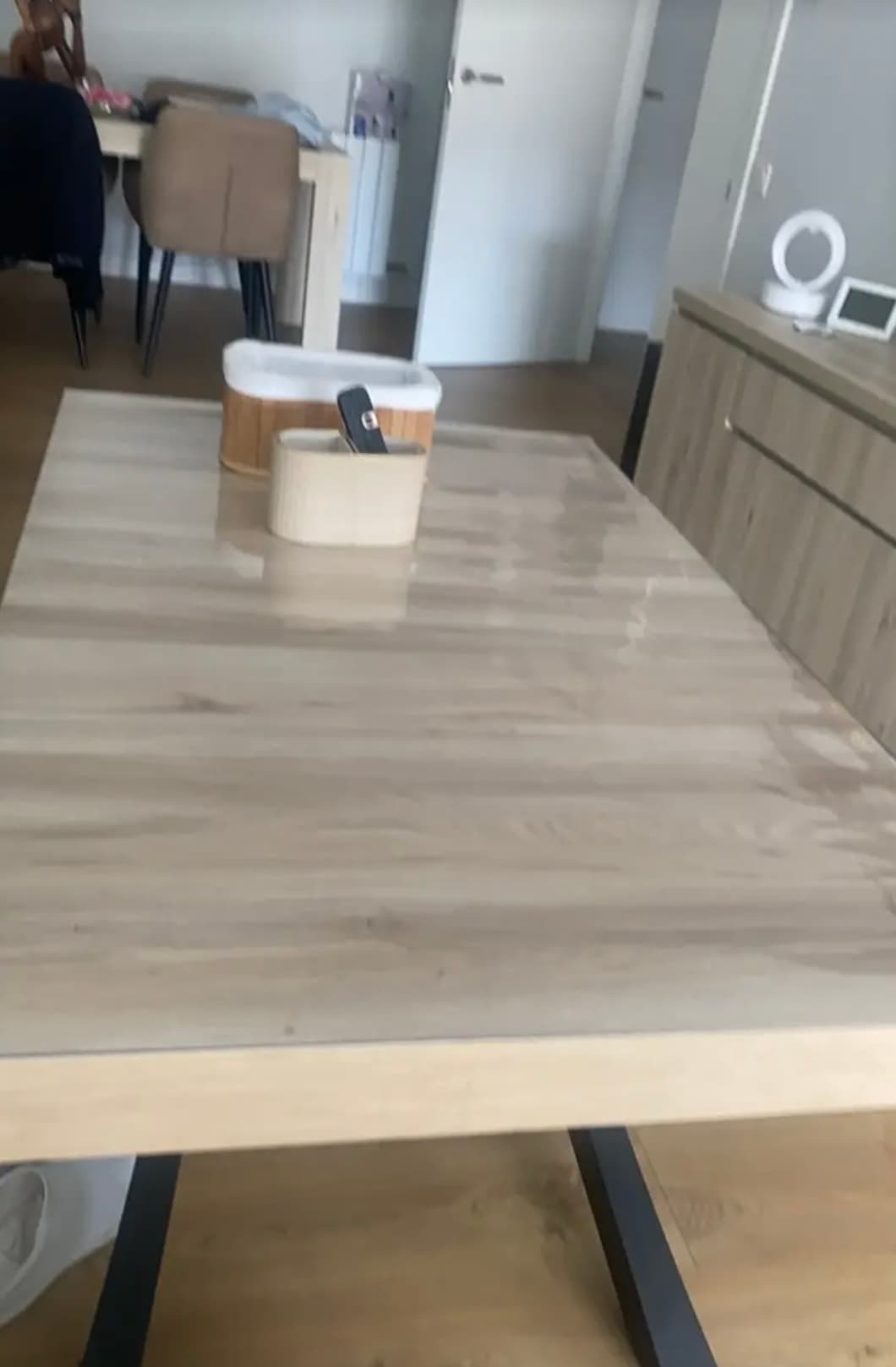
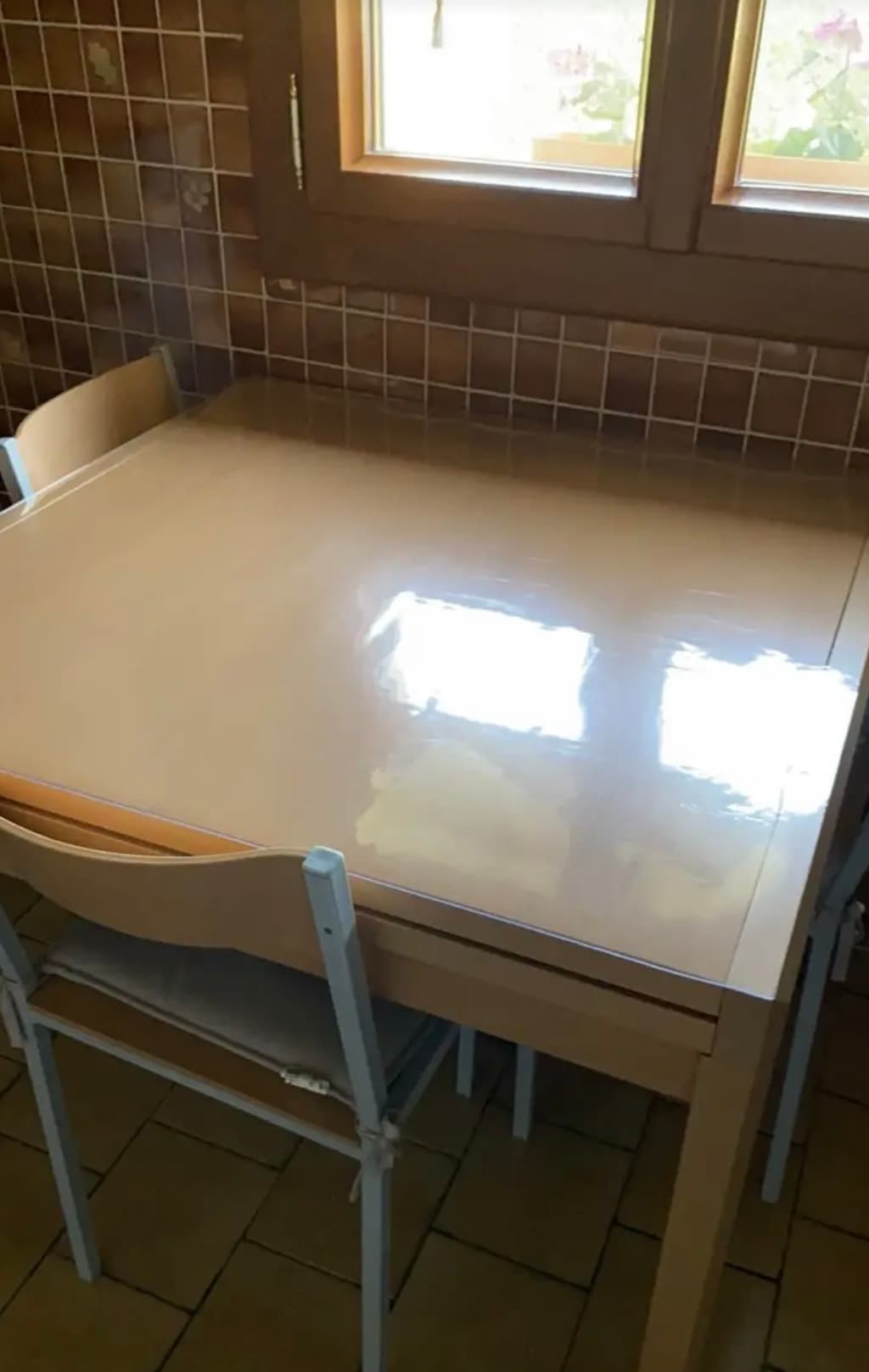
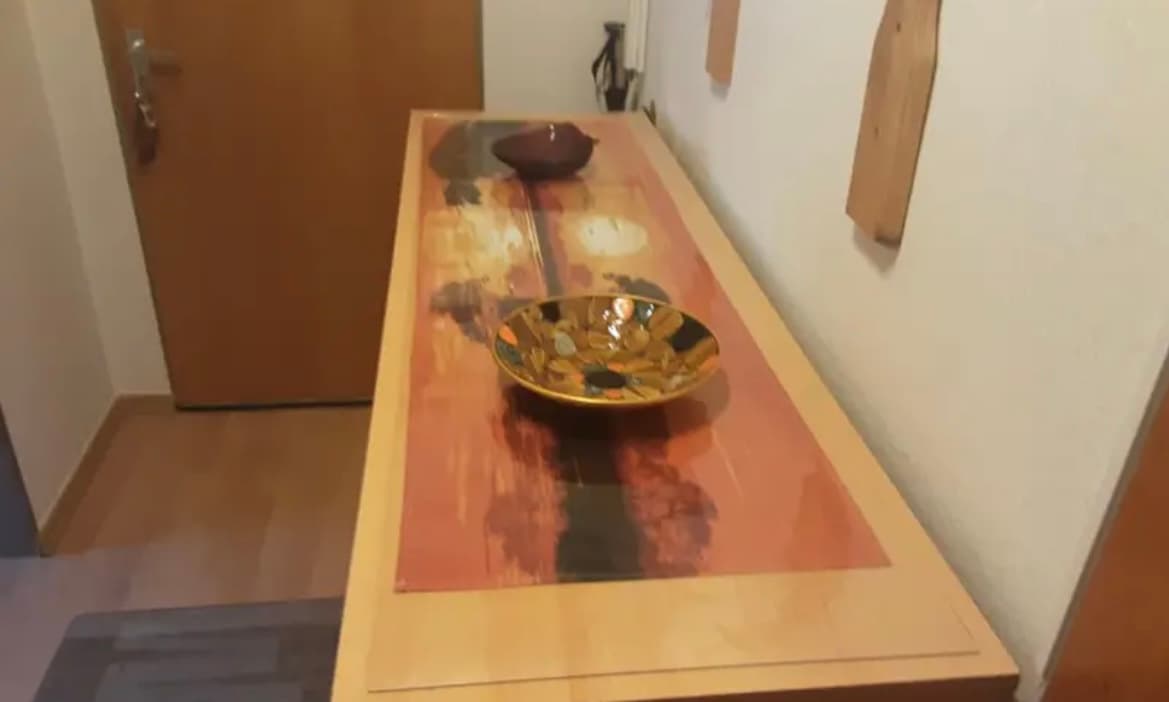
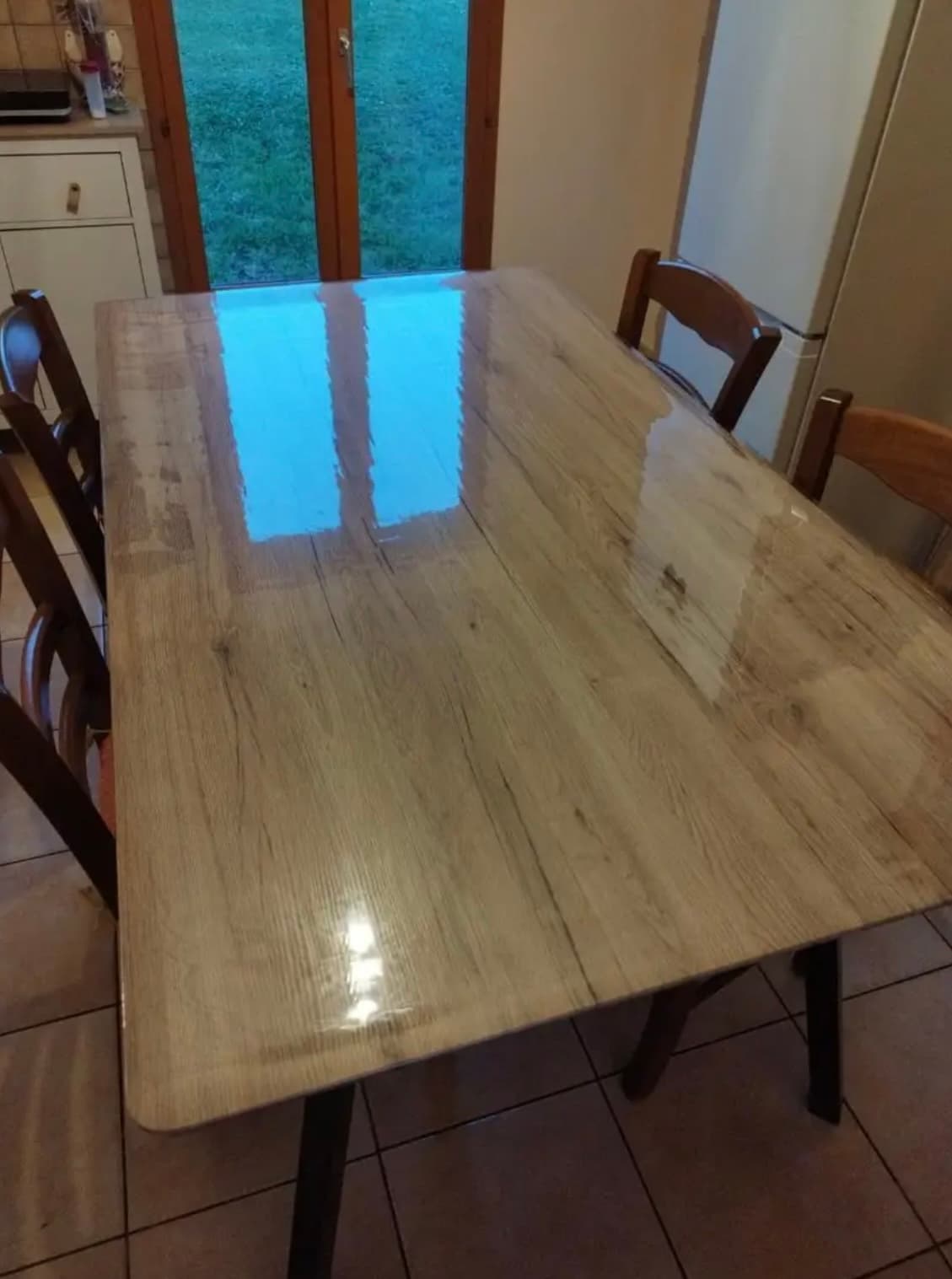
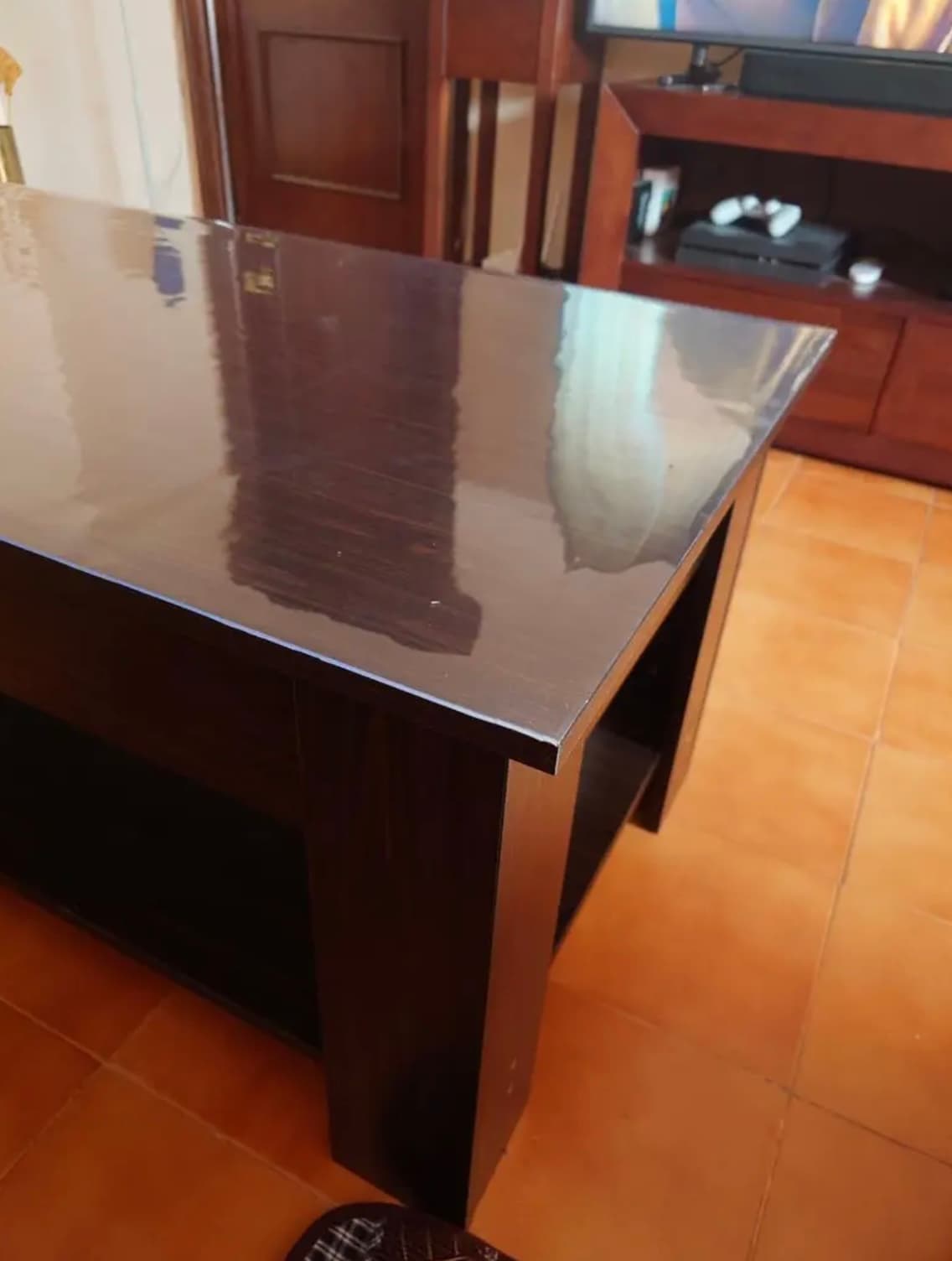
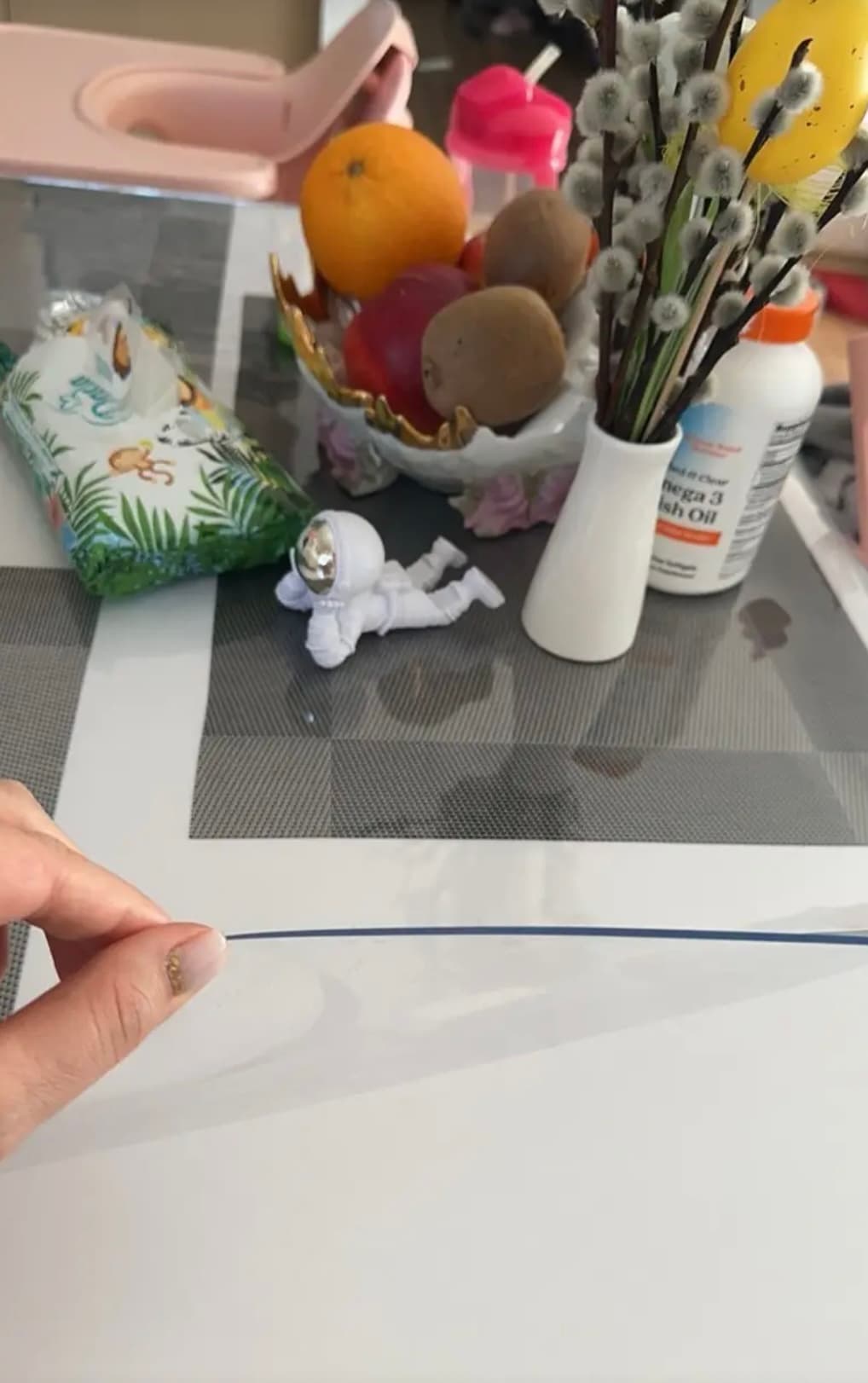
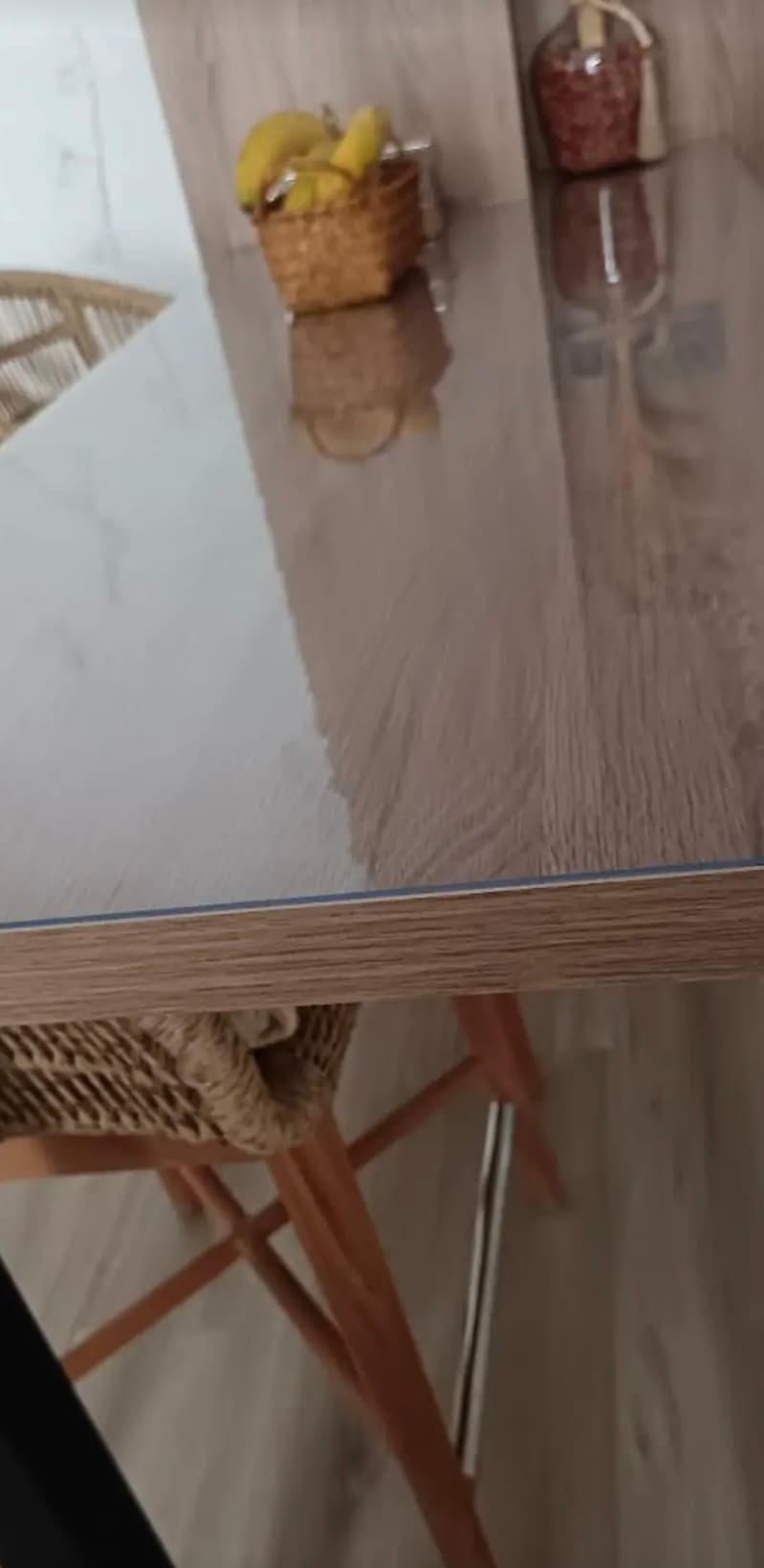
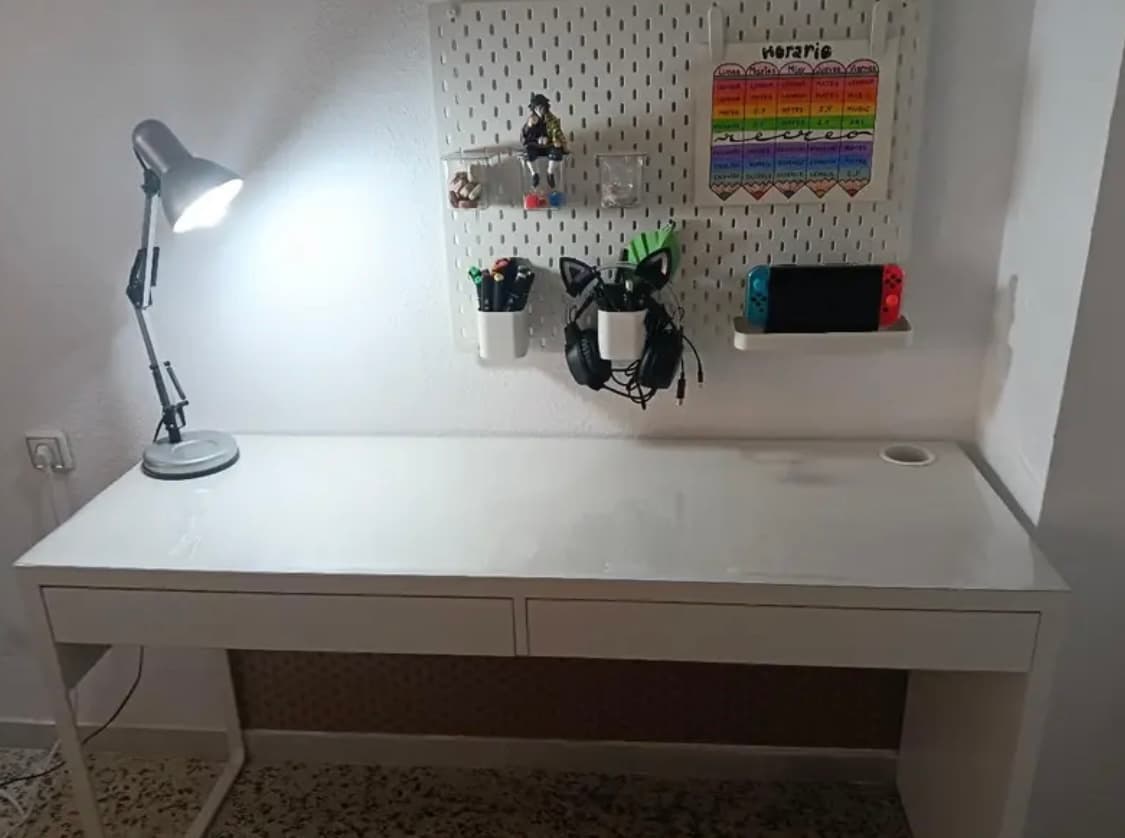
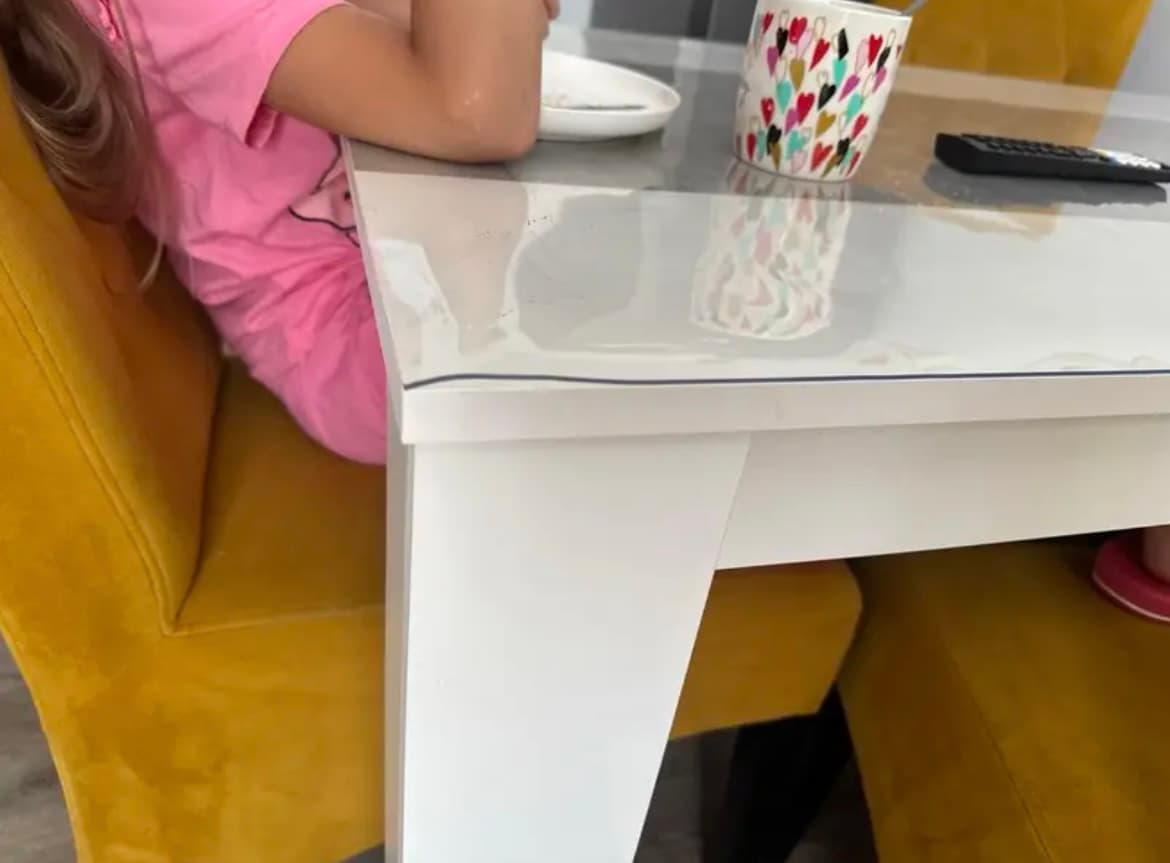
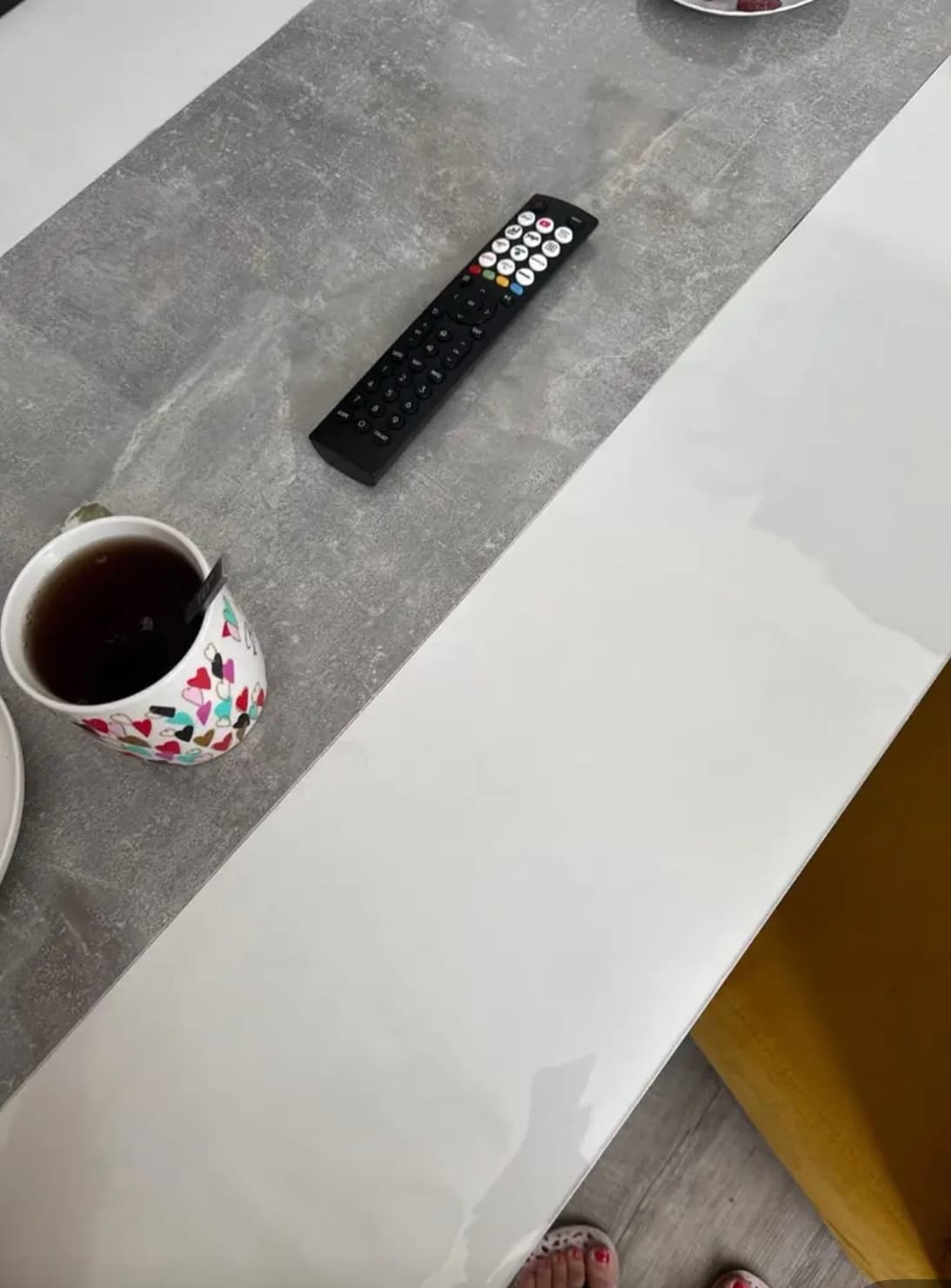
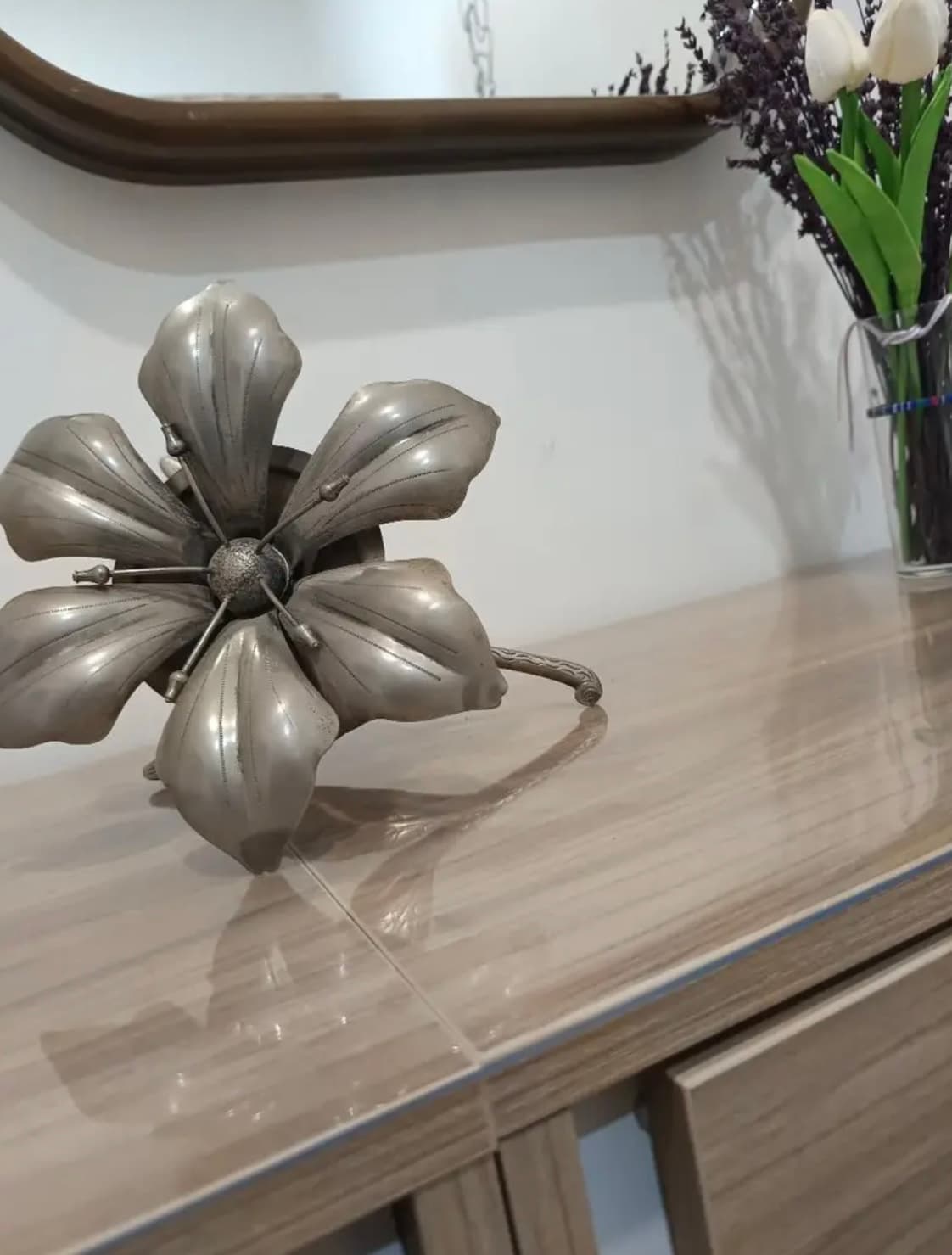
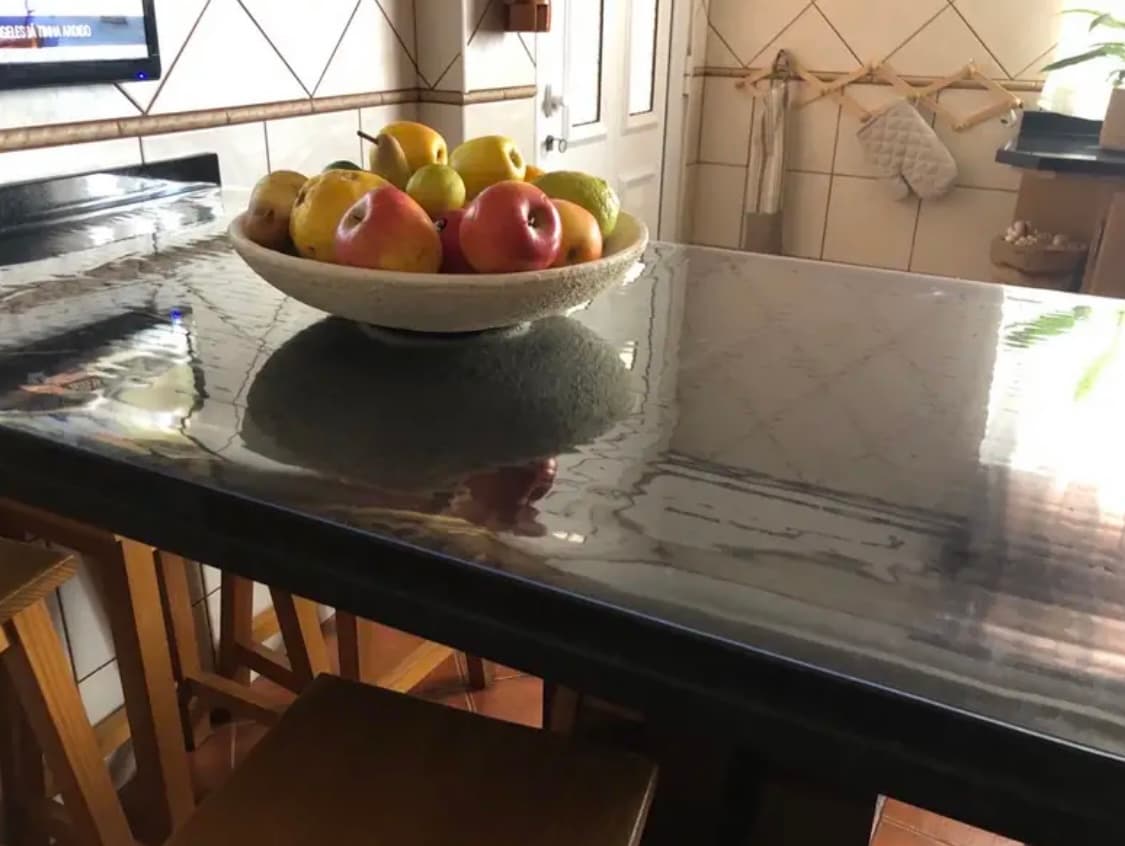
This is what it looks like for our clients
Real photos from the project - without retouching.
Shared limitations
- Hot cookware and appliances require a heat-resistant trivet.
- Knives, grit and abrasive sponges can damage the surface.
- Transport curl is temporary but needs time on a flat surface to settle.
Frequently asked questions
Is 2 mm always better than 1.5 mm?
No. It is firmer and heavier, while 1.5 mm is lighter and easier to handle. Table size and use should decide.
Is 2 mm rigid?
No. It remains flexible PVC and is not a rigid acrylic or glass panel.
Do both versions need adhesive?
No. Both rest on a flat tabletop under their own weight.
Can I use either thickness on glass?
Yes, but direct contact may show air or moisture patterns. A matte finish can be visually calmer; test the result first.
Compare both thicknesses for your table
Enter the same shape and dimensions to see the available variants and their prices.
- VISA
- PayPal
- Apple Pay
- Google Pay
- Revolut